
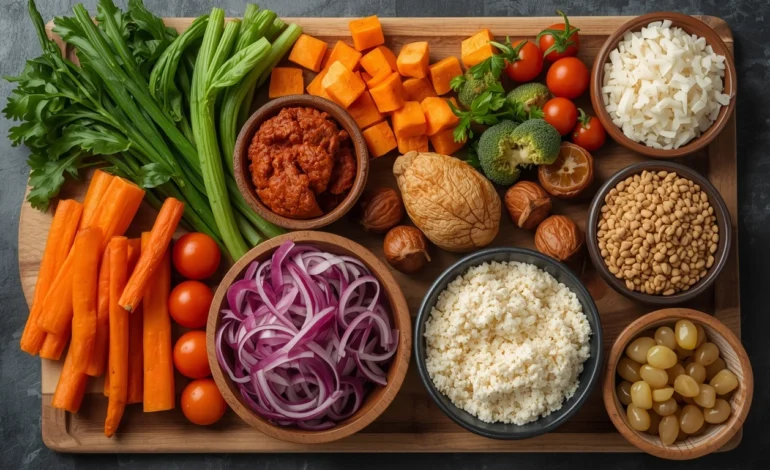
Have you ever wondered whether a vegetarian diet can provide enough protein for an active and healthy lifestyle? Veg protein sources India offers are more diverse than many people realize, making it possible to meet your daily protein needs through nutritious, everyday foods. From traditional dals and legumes to dairy products, soy foods, nuts, and seeds, Indian kitchens are filled with ingredients that naturally support a balanced diet without relying on meat or eggs.
Protein is essential for building muscles, healing tissues, retaining energy levels, and facilitating overall health. Choosing the right foods can have a significant impact, whether your goal is fitness, weight management, or simply eating healthier. This guide discusses some of the best vegetarian protein-rich foods available in India, explains their nutritional benefits, and shares practical ways to include them in your daily meals.
Why Protein Is Essential in a Vegetarian Diet?
Protein is one of the three main nutrients that your body needs every day, since it helps to heal tissues, build muscles, produce hormones, support your immune system, and keep your skin and hair in good condition. Unlike fats and carbohydrates, protein is composed of amino acids, which your body uses for growth and repair.
It is commonly believed that vegetarians find it difficult to obtain enough protein, but this isn’t always true. The real issue is usually the kinds of foods you select, not the diet as a whole. By including a variety of legumes, dairy, whole grains, and soy products in your diet, a vegetarian can get sufficient protein.
Protein helps you feel full for longer, which is an advantage when you are trying to control your weight and stay energized. It is particularly important for athletes, older people, and growing children to get enough protein each day.
Best veg protein sources india has to offer
Traditional Indian diets have long included a variety of veg protein sources, and you won’t need any supplements since your body can get most of the protein it needs from common, everyday foods.
- Lentils (Dal)
Dal is found in nearly every Indian home and is one of the simplest ways to increase protein consumption. Whatever type of dal you select—moong, masoor, urad, or toor—each kind provides a healthy balance of protein, fibre, and essential minerals. Regular consumption of dal also supports digestion and helps you stay steady throughout the day.
- Chickpeas (Chana)
Black chickpeas and Kabuli chickpeas are both excellent sources of plant protein; they also contain a lot of fibre, iron and complex carbohydrates, which makes them satisfying and healthy. Chickpeas can be eaten in curries, in salads, as roasted snacks or even in the form of homemade hummus.
- Kidney Beans (Rajma)
Rajma is another favorite in Indian cooking. Kidney beans give you plenty of protein, plus antioxidants, iron, and fiber. Eating rajma with rice makes a balanced meal with more essential amino acids.
- Soy Chunks
Soy chunks are among the highest-protein vegetarian foods available in India. They are affordable, easy to prepare, and absorb flavors well, making them appropriate for curries, biryanis, and stir-fries. Fitness enthusiasts often include soy chunks in their meals because of their impressive protein content.
- Tofu
Since it is made from soybeans, tofu is gaining in popularity among people who are conscious of their health. It provides a complete protein containing all of the nine essential amino acids and has less fat than paneer, which makes it a great choice for those keeping an eye on their calorie intake.
- Paneer
Paneer remains one of the most loved vegetarian protein sources in India. Rich in casein protein and calcium, it supports muscle recovery and bone health. Grilled paneer, paneer bhurji, or paneer curry are simple ways to include it in your weekly meal plan.
- Milk and Yogurt
Dairy products are an important contribution to daily protein intake as they also supply calcium and vitamin B12; regular milk, curd, and Greek yogurt can easily be included as part of a breakfast or as snacks, thus improving overall nutrition without involving any major changes to one’s diet.
- Nuts and Seeds
Peanuts, almonds, pumpkin seeds, sunflower seeds, and chia seeds contain a mix of protein, healthy fats, and various minerals. Since they are high in calories, they should be eaten in moderation, but they can be used as nutritious snacks and as additions to meals.
If you rotate these foods throughout the week, you will be able to have variety while ensuring your body gets different nutrients alongside protein.
How to Include Protein in Everyday Indian Meals
Many people think increasing protein means preparing separate meals or buying expensive products. In reality, small adjustments to your existing diet can create a meaningful effect.
Breakfast is one of the simplest meals to make better since, rather than selecting just bread or cereal you can include some protein-rich ingredients, such as moong dal chilla, besan cheela, oats cooked with milk, Greek yogurt topped with seeds, or a bowl of sprouts, all of which offer a satisfying beginning to the day.
Lunch and dinner also offer several opportunities. A serving of dal alongside chapati, rajma with brown rice, chole with whole wheat roti, or tofu stir-fry with vegetables all contribute meaningful amounts of protein. Including curd with your meal further improves its nutritional value.
Healthy snacks can also help you to meet your daily protein targets.
- Roasted chana with herbs
- Mixed nuts and seeds
- Peanut butter on whole-grain bread
- Sprout salad with vegetables.
If you split up your protein intake among all your meals rather than eating most of it at dinner, your body will be able to make more effective use of it.
Common Mistakes People Make on a Vegetarian Diet
Although a vegetarian diet can be healthy, some eating habits may lower its nutritional value, since a great many people unconsciously eat less protein than their bodies need because they concentrate mostly on carbohydrates.
One common mistake is depending heavily on white rice, refined flour, or plain chapatis without adding enough pulses or legumes. While these foods provide energy, they contribute relatively little protein on their own.
A further mistake is avoiding soy products because of misconceptions. When consumed in moderation as part of a balanced diet, soy foods are considered safe and highly nutritious for most healthy adults.
People also tend to skip protein during breakfast, choosing tea and biscuits or processed snacks instead. This may cause increased hunger later in the day and make it harder to meet overall protein requirements.
Other habits worth avoiding include:
- Eating too many processed packaged foods
- Ignoring dairy if there are no dietary restrictions
- Depending only on one protein source every day
- Skipping legumes and pulses regularly
Building a varied diet is far more beneficial than depending on a single high-protein food.
Tips to Increase Daily Protein Intake Naturally
Improving protein intake doesn’t require complicated meal plans. A few practical habits can gradually increase the amount of protein you consume every day.
Start by including at least one serving of dal or legumes in your daily meals. Since these foods are already common in Indian cuisine, they fit naturally into most diets without adding much cost.
Next, consider replacing unhealthy snacks with protein-rich alternatives like roasted chana, peanuts, or yogurt. These options satisfy hunger while providing valuable nutrients.
If you exercise regularly, try adding paneer, tofu, or soy chunks to your lunch or dinner several times each week. These foods supply quality protein that supports muscle recovery after physical activity.
Simple changes can make a noticeable difference:
- Put seeds into smoothies, yogurt, or oatmeal.
- Add sprouts to salads and sandwiches.
- Choose whole grains whenever possible.
- Pair cereals with legumes for balanced nutrition.
What matters is consistency, not perfection; better results are achieved by making small improvements over time than by introducing drastic changes to your diet.
Choosing the Right Protein Sources for Your Lifestyle
Since different people have different nutritional requirements, the best veg protein sources india usually varies according to your lifestyle and health objectives.
For building muscle, foods such as soy chunks, paneer, tofu, Greek yogurt, and lentils contain a higher amount of protein and thus help support strength training. People who are attempting to lose weight might find it helpful to eat lentils, sprouts, tofu, and chickpeas since these foods combine protein and fiber, which in turn helps to control appetite.
People looking for cheap everyday food can rely on ordinary Indian foods like dal, rajma, chana, milk, peanuts, and curd. These foods are readily available all over the country and offer good nutritional value without increasing grocery costs.
Instead of looking for one single “superfood”, it’s better to eat a variety of foods. Eating different kinds of vegetarian protein sources during the day ensures your body gets a wider variety of amino acids, vitamins, minerals, and antioxidants.
Conclusion
Finding nutritious veg protein sources india offers is much easier than many people imagine. Traditional Indian foods such as lentils, chickpeas, rajma, paneer, tofu, soy chunks, dairy products, nuts, and seeds provide high-quality protein while also delivering fiber, vitamins, and essential minerals. The secret to a healthy vegetarian diet is balance and consistency. Instead of relying on one ingredient, include a variety of veg protein sources across your meals. With thoughtful planning and simple food choices, you can comfortably meet your daily protein needs, support overall health, and enjoy delicious, wholesome Indian meals without compromising on nutrition.

Shruti Singh is a passionate writer having 6 years of writing and editing experience. Through her articles on news2world, she explores the connection between people, planet, and everyday choices, translating complex information and issues into clear, engaging, and practical insights. Her work aims to inspire readers to adopt eco-friendly habits, think critically, and contribute meaningfully to a more comfortable future.










1 Comment
[…] These leaves are delicately textured and can be utilized to store food. Food made in this manner is suitable for snacking or breakfast. Another alternative is to fill these leaves with beans, seafood, or fried veggies. […]