
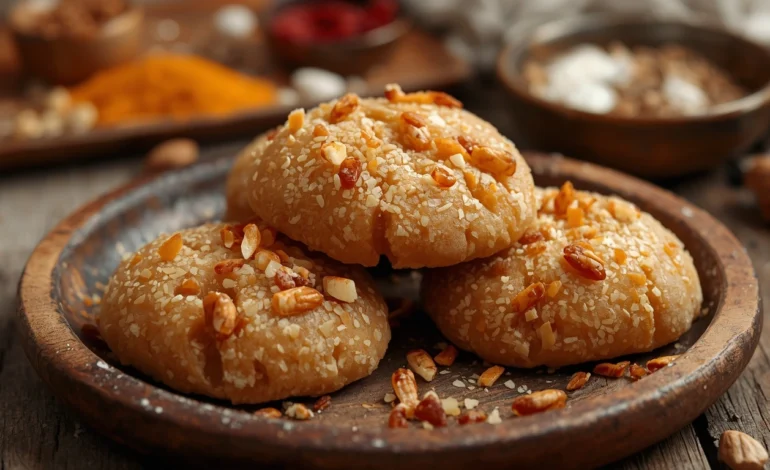
This sweetmeat, sometimes called singauri or singori, is said to have come from the Uttarakhand town of Almora. This is a traditional Uttarakhandi sweet delicacy, primarily made with khoya and flavored with coconut and rose petals, wrapped in the native Maalo leaves. It has a texture similar to Bengali Sandesh. This is the recipe that you should make this classic dessert this next weekend.
Nestled in Uttarakhand’s stunning landscapes, the town of Rudraprayag is famed not just for its spiritual significance and natural beauty, but also for its unique culinary offerings. One such delicacy that sticks out is Singori, a typical sweet dessert. This beautiful sweet delight is popular among both locals and visitors.
Overview about most famous sweet singori
Anyone who has ever visited the Uttarakhand region of Kumaon would have encountered a distinctive treat on the streets and marketplaces. Singori is a traditional delicacy found all over the state, but especially in Kumaoni towns like Almora. It is shaped like a cone, filled with khoya, and oddly enough, tastes like coconut. Because Singori is composed with Maalo leaves, which are unique to this Himalayan region, the cone’s shape will initially make you think of a green ice cream. But among Bengalis, singori is similar to steamed chhena sweetmeat, or Bhapa Sandesh, which is also typically wrapped in sal leaves before steaming.
Eating singori, which has ginger, coconut, and cardamom flavors, makes you feel hungrier. This dessert’s protein level is increased with the inclusion of coconut milk. You can create this dessert in forty minutes with grated coconut, sugar, milk, nuts, and Malo leaves. Some individuals think this dish is made with other leaves and that malo leaves are unhealthy.
Origin and Cultural Relevance
Singori has significant cultural and traditional origins in Uttarakhand. It is frequently cooked for festivals, weddings, and other special occasions, making it an essential component of the region’s festive celebrations. The sweet is particularly popular in the Kumaon region, but it has made its way into Rudraprayag’s culinary repertoire, enticing many palates.
A popular Kumaoni treat from Uttarakhand, singauri, also known as singori, is wrapped in maalu leaves and made with khoya. A common Indian delicacy, singori is made with sugar, coconut leaves, and malo. This confection is one of the candies made and served to the public during holiday celebrations. The people of Uttarakhand love this dessert, and it’s made very carefully.
Singori, also known as Singauri or Singodi, is found in many places than simply Kumaon’s bylanes. The sweet dish is produced in all Uttarakhand families throughout India, albeit the difficult-to-find Maalu leaves are occasionally transported from Uttarakhand hometowns or replaced with turmeric leaves. Most Uttarakhand residents and food historians believe that Singori originated in Almora. The practice of leaf-wrapping has been used in India for generations, therefore determining Singori’s exact date and provenance is challenging.
Ingredients for Singori Recipe
These delicious pastries take forty minutes to prepare, and with this many ingredients, we can feed five people. Singori’s enchantment comes from its simplicity and utilization of locally produced ingredients. The main components of this sweet dessert are:
- Khoya (Mawa): The main ingredient is created by reducing milk to a thick, solid consistency.
- Sugar: Added to the khoya to sweeten it.
- Cardamom: Adds taste with its aromatic fragrance.
- Coconut: Finely grated coconut is occasionally put into the khoya to enhance texture and flavor.
- Maalu Leaves: These leaves contribute significantly to Singori’s distinct appearance and delicate flavor.
How did you prepare this recipe?
Begin with heat. In a saucepan on medium heat, combine evaporated milk and sugar. After the milk has reached room temperature and the sugar has been dissolved, add the grated coconut. We need fresh coconuts. If fresh coconut is not available, coconut powder steeped in coconut milk can be used instead.
Pour one cup of coconut milk into a covered jar and let it sit for two hours. The extra milk is drained and mixed with sugar and evaporated milk. Cook the ingredients in a saucepan over low heat for 10 minutes, then remove from the heat and let cool.
Leaves are widely utilized in Indian cuisines. They wrap and cook their meals in various leaves. Maalo, derived from tropical plants, is one of these leaves. These leaves add different flavors to recipes. Drying some of these leaves and using them as a culinary spice is also possible.
These leaves are delicately textured and can be utilized to store food. Food made in this manner is suitable for snacking or breakfast. Another alternative is to fill these leaves with beans, seafood, or fried veggies.
The availability of traditional Maalo leaves is a significant barrier when producing Singori at home, despite the simple procedure involved. If you can’t get these special Kumaoni leaves, you can use haldi or turmeric leaves. Here is a traditional Singori recipe that you can try at home.
Flavor and Texture
Singori is a delicious combination of rich, creamy khoya and the aromatic essence of cardamom, all enveloped in the earthy flavor of maalu leaves. The texture is smooth and melt-in-your-mouth, making it an ideal treat for anyone with a sweet craving.
Several more local foods from Uttarakhand
Rudraprayag, set in the tranquil surroundings of Uttarakhand, provides a rich tapestry of traditional delicacies that reflect the region’s culture, traditions, and the natural richness of the Himalayas. Here are the local foods of Uttarakhand:
1. Aloo Ke Gutke
Aloo Ke Gutke, a traditional Garhwal dish, is a simple but tasty potato recipe. Potatoes are cubed and stir-fried with spices such as cumin, mustard seeds, and red chili powder. This meal is commonly served with roti or puri and is a household staple.
2. Chainsoo
Chainsoo is a protein-rich dish prepared with black gram. The lentils are first roasted and pounded into a coarse powder before being cooked with spices and ghee. The meal has a distinctive smokey flavor and is typically served with rice or chapati.
3. Kafuli
Kafuli is a nutritious and filling dish composed with green leafy vegetables such as spinach (palak) and fenugreek leaves (methi). The greens are cooked in a spice mixture and thickened with rice or wheat flour paste. It is generally served with steamed rice.
4. Jhangora Ki Kheer
Jhangore Ki Kheer is a classic sweet dish prepared with barnyard millet (jhangora). This millet is cooked with milk and sugar, perfumed with cardamom, and served with dried fruits. It’s a popular dessert at festivals and special events.
5. Phanu
Phanu is a mixed lentil soup cooked with a variety of native lentils, including horse gram and pigeon pea. The lentils are soaked overnight, pounded into a paste, and cooked with a variety of spices. It is a filling dish served with rice or chapati.
6. Til ki Chutney
Til Ki Chutney is a tasty condiment made with toasted sesame seeds (til), garlic, green chilies, and lemon juice. It pairs perfectly with a variety of traditional foods, bringing a burst of flavor and a hint of tanginess.
7. Arsa
Arsa is a typical sweet snack composed of rice flour, jaggery, and sesame seeds. The dough is formed into small discs and deep fried till golden brown. Arsa is a popular dish during festivals and special events, with a delicious combination of sweetness and crunch.
What distinguishes Singori from other Indian sweets?
Singori’s uniqueness stems from its traditional preparation and presentation. The use of maalu leaves for wrapping gives it a unique conical shape and a delicate, earthy flavor that distinguishes it from other Indian sweets.
Final Verdict
Singori is more than just a sweet dish; it reflects the rich culinary legacy of Rudraprayag and the entire Uttarakhand region. Its distinctive cooking style and use of traditional ingredients make it a must-try for anybody visiting this picturesque town. Indulging in a Singori while touring holy sites or traveling over gorgeous paths adds to Uttarakhand’s allure.

Shruti Singh is a passionate writer having 6 years of writing and editing experience. Through her articles on news2world, she explores the connection between people, planet, and everyday choices, translating complex information and issues into clear, engaging, and practical insights. Her work aims to inspire readers to adopt eco-friendly habits, think critically, and contribute meaningfully to a more comfortable future.