Sea IGM: Complete Guide to Sea Import General Manifest and Tracking

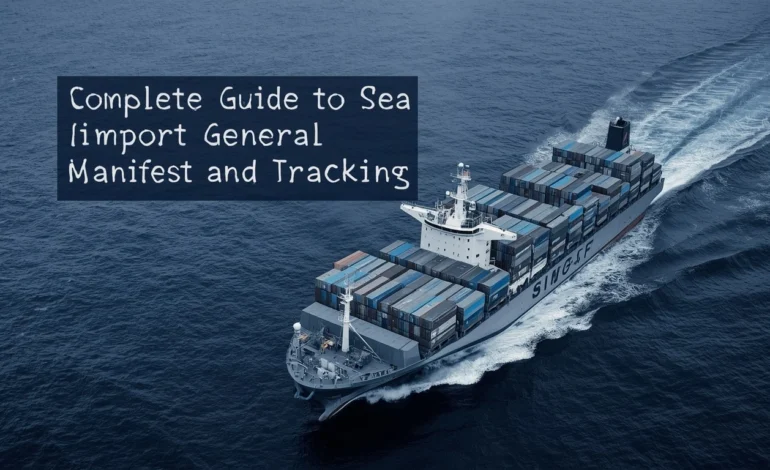
International sea shipments involve several customs documents and procedures before imported goods can be cleared and delivered. One of the important terms that importers, customs brokers, freight forwarders and shipping professionals encounter is Sea IGM.
Sea IGM generally refers to the Sea Import General Manifest, a customs declaration containing information about cargo arriving at an Indian port by sea. The information submitted by shipping lines or authorized agents allows Indian Customs to identify the vessel, cargo and individual import consignments.
For businesses involved in international trade, understanding Sea IGM is important because errors, missing information or delays in manifest processing can affect the customs clearance process. The ICEGATE platform provides facilities to check Sea IGM information and its current status. According to the official ICEGATE FAQ, users can select the Sea IGM enquiry option and enter the Master Bill of Lading number and location to view Sea IGM details and its current status.
What Is Sea IGM?
Sea IGM, or Sea Import General Manifest, is a customs-related manifest associated with import cargo arriving by sea. It contains important information about the vessel and cargo being brought into India.
Traditionally, an IGM was filed by the shipping line or its agent with Customs before or in connection with the arrival of an importing vessel. The information could include details such as the vessel, voyage, port, importer or consignee, Bill of Lading references, cargo description and other shipment-related information.
The manifest enables Customs to know what cargo is arriving and provides the information needed for subsequent import procedures.
ICEGATE’s official message documentation identifies SACHI01 as the Import General Manifest three-part message and describes it as an IGM containing vessel details and related information.
However, it is important to understand a recent terminology and regulatory development. Under the Sea Cargo Manifest and Transhipment Regulations (SCMTR), the traditional Import General Manifest framework has been replaced by the Sea Arrival Manifest (SAM) and associated arrival declarations. A Customs notice explains that the arrival manifest is now a legal requirement and that the general and cargo declarations are made available in ICEGATE through Sea Arrival Manifest and Sea Entry Inwards processes.
Despite this transition, “Sea IGM” remains a widely used search and operational term, and ICEGATE currently continues to provide a Sea IGM enquiry/status facility.
Why Is Sea IGM Important?
A manifest provides Customs with advance information about cargo entering the country. This information supports customs processing, cargo identification and import clearance.
For importers, the information in the manifest must correspond correctly with their shipping documents. Details such as the Bill of Lading, consignee information, vessel information and cargo particulars need to be properly reported. If there is an error in the manifest, the importer or customs broker may need to coordinate with the shipping line or authorized agent to have the relevant information corrected.
This is why checking Sea IGM status can be useful before proceeding with other stages of the import process. A correctly filed and processed manifest helps connect the arriving cargo with the relevant customs documentation. It also gives customs brokers and importers visibility into whether the shipment information has been submitted and is available in the customs system.
Who Files the Sea IGM?
The responsibility for submitting the relevant arrival information generally rests with the shipping line, vessel operator or authorized agent, rather than the importer. ICEGATE’s e-filing documentation identifies shipping agents as the party associated with the filing of the Import General Manifest message.
This distinction is important. An importer normally does not create the shipping line’s manifest from scratch. Instead, the importer provides accurate shipment and commercial information to the relevant parties and uses customs and shipping systems to monitor the progress of the shipment. Customs brokers, freight forwarders and importers may subsequently need information from the manifest while completing their own customs-related procedures.
What Information Is Associated With a Sea IGM?
The exact information available can depend on the filing system and the type of cargo, but a Sea IGM or associated arrival declaration can contain important shipment and vessel information. Common information may include:
- Vessel name
- Voyage details
- Port of arrival
- IGM or manifest reference
- Bill of Lading information
- Consignee details
- Importer-related information
- Cargo description
- Container information
- Packages and quantity
- Weight and other cargo particulars
The objective is to give Customs a structured record of cargo arriving by sea. For businesses, accuracy is especially important because even a relatively small mismatch between shipping documents and customs records can result in additional coordination and potentially delay subsequent processes.
What Is Sea IGM Tracking?
Sea IGM tracking refers to checking the status and details of a sea import manifest through the customs system.
In India, ICEGATE provides an online enquiry facility for Sea IGM. According to the official ICEGATE FAQ, users can select SEA IGM, enter the Master Bill No. and choose the appropriate location to view Sea IGM details along with its current status.
Sea IGM tracking should not be confused with ordinary container tracking provided by a shipping line. Container tracking normally focuses on the physical movement of a container, while Sea IGM enquiry is concerned with customs manifest information. Both can be useful, but they answer different questions.
For example, a shipping line’s tracking system may tell you whether a container has departed from the origin port or arrived at the destination terminal. Sea IGM tracking, on the other hand, helps determine whether the relevant import manifest information is available in the customs system.
How to Check Sea IGM Tracking on ICEGATE
If you need to check Sea IGM information, you can use the ICEGATE platform. The basic process is:
1. Visit ICEGATE
Go to the official ICEGATE website, the Indian Customs Electronic Gateway.
2. Find the Sea IGM Enquiry Option
Use the relevant customs enquiry or service section and select SEA IGM. ICEGATE’s official FAQ specifically lists a Sea IGM enquiry facility for checking manifest details and status.
3. Enter the Required Details
The official guidance states that users can enter the Master Bill of Lading number and select the appropriate location. The information should be entered carefully because an incorrect Bill of Lading reference or location may prevent the relevant record from being displayed.
4. Check the IGM Information
After submitting the enquiry, the available Sea IGM details and current status can be viewed. If the information does not appear or there is a discrepancy, ICEGATE advises users to contact the ICEGATE Helpdesk.
What Does Sea IGM Status Tell You?
The status shown during an enquiry can help indicate where the manifest stands within the customs process. For example, a shipment may not immediately appear if the relevant manifest information has not yet been filed or processed in the system. Other situations may involve an error, amendment or processing issue. It is important not to interpret every status as a physical shipment location. Sea IGM tracking is primarily a customs and manifest enquiry process, not a replacement for container or vessel tracking.If you need to know where the vessel or container physically is, you should also check the shipping line, carrier, freight forwarder or port’s tracking system.
Sea IGM vs Bill of Entry
Sea IGM and the Bill of Entry (BoE) are different documents and serve different purposes.
The Sea IGM is associated with the cargo declaration made by the carrier or authorized agent for arriving import cargo.
The Bill of Entry is the importer’s customs declaration used to declare imported goods and seek customs clearance.
What Happens If Sea IGM Details Are Incorrect?
Incorrect manifest information can create complications during import processing.
For example, a mismatch in the consignee name, Bill of Lading number, container information or other shipment details may require correction or amendment.
In such situations, the importer or customs broker generally needs to coordinate with the shipping line, agent or other responsible party that submitted the manifest.
The exact correction process depends on the type of discrepancy and the applicable customs procedure.
The important point is that importers should not simply ignore a mismatch. Checking the information early can help identify potential issues before they affect cargo clearance.
Sea IGM Tracking vs Container Tracking
Although both terms are related to imports, they are not the same.
- Sea IGM tracking focuses on customs manifest information. It helps users check whether the relevant import manifest information is available in the customs system and view associated details.
- Container tracking focuses on the physical movement of the shipment. It may show events such as vessel departure, transshipment, arrival at destination port, discharge and movement from the terminal.
For a complete picture of an import shipment, businesses may need both types of information.
Common Reasons for Checking Sea IGM
Businesses involved in international trade may check Sea IGM information for several reasons. One common reason is to verify whether the shipment has been declared in the customs system. Importers may also want to confirm that the Master Bill of Lading information is correctly associated with the manifest.
Customs brokers can use the information while preparing or processing import documentation. Freight forwarders may also need to coordinate with shipping lines when manifest information needs clarification or correction. Regular checking can therefore help businesses identify documentation issues early rather than discovering them when cargo clearance is already due.
Conclusion
Sea IGM is an important concept in India’s sea-import and customs ecosystem. It relates to the manifest information submitted for cargo arriving at Indian ports and helps Customs establish what cargo is entering the country. For importers, freight forwarders and customs brokers, understanding the manifest process can make international shipping documentation easier to manage. Sea IGM tracking through ICEGATE can also provide useful visibility into the relevant customs record.
At the same time, users should understand the distinction between Sea IGM terminology and the newer Sea Arrival Manifest (SAM) framework introduced under SCMTR. While the regulatory framework has evolved, ICEGATE continues to provide a Sea IGM enquiry facility, making the term highly relevant in current customs-related searches and workflows. For the most accurate and current information, importers should rely on official ICEGATE guidance and coordinate with their customs broker, shipping line or authorized agent when a manifest discrepancy occurs.
Frequently Asked Questions
What is Sea IGM?
Sea IGM commonly refers to the Sea Import General Manifest associated with import cargo arriving at an Indian port by sea. It contains important vessel and cargo information submitted to Customs.
What is Sea IGM tracking?
Sea IGM tracking is the process of checking Sea IGM details and status through the ICEGATE customs platform. ICEGATE allows users to check Sea IGM information using the Master Bill of Lading number and relevant location.
Who files the Sea IGM?
Traditionally, the shipping line or its authorized agent files the Import General Manifest. Under the current SCMTR framework, sea arrival information is handled through the Sea Arrival Manifest and related declarations.
Can I track my container using Sea IGM?
Sea IGM tracking and container tracking are different. Sea IGM enquiry provides customs manifest information, while container tracking shows the physical movement of a container through the shipping line or logistics provider.
Where can I check Sea IGM status?
Sea IGM details and status can be checked through the ICEGATE platform using its Sea IGM enquiry facility.
Shruti Singh is a passionate writer having 6 years of writing and editing experience. Through her articles on news2world, she explores the connection between people, planet, and everyday choices, translating complex information and issues into clear, engaging, and practical insights. Her work aims to inspire readers to adopt eco-friendly habits, think critically, and contribute meaningfully to a more comfortable future.