how to clean shower properly: Say Goodbye to Dirty Showers

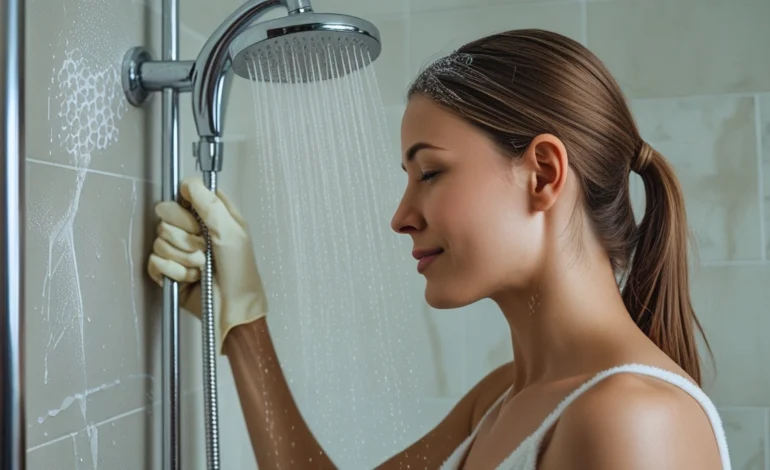
Every aspect of the day is improved upon when stepping into a freshly cleaned shower upon waking up. Unfortunately, many people picture a day of scrubbing and toxic smells spent cleaning showers. It is not necessary to be such manner. Instead of enduring uncomfortable “rescue” deep cleans a few times a year, you may simply spend a few minutes each session following on how to clean shower properly to prevent excessive buildup.
Here you will find real-life cleaning routines shared on cleaning forums and social media alongside scientifically-backed cleaning methods and expert care recommendations. Discover the ideal method for cleaning your shower based on its kind, the recommended frequency of cleaning each component, the proper cleaning products, and preventative measures for common shower problems like soap scum, hard water, mold, and mildew. You will also learn when to hire a professional and how to clean your shower using natural items like baking soda, hydrogen peroxide, and distilled white vinegar compared to store-bought cleaners. After reading this, you’ll know exactly what to do in the event that your tile, stone, acrylic, or fiberglass shower is in bad shape, and you’ll also have a much easier time keeping your shower clean in the future.
Typical Errors That Complicate the Shower Cleaning Process
Because they are battling against bad habits, many people believe that cleaning the shower never works. Some common errors seen in cleaning instructions and user stories are as follows:
- Bases made of acrylic or fiberglass can become dull and scratched with repeated use of harsh bleach or abrasive powders.
- Permitting all surfaces to remain damp following each shower, which encourages the growth of mold, mildew, and scale.
- Skipping over the caulk lines, corners, and the area under the shower door, where the nasty stuff begins.
- Not allowing the cleanser to stay for long enough to dissolve soap scum and mildew; instead, wiping immediately after spraying.
Consider this: which of these scenarios best describes how you now manage your shower? Subtle adjustments, such as incorporating a 20-second squeegee stage, can yield greater results than brand-new products.
A Step-by-Step Guide to for how to clean shower properly Like a Professional
Your shower needs a reset every so often. This thorough cleaning gets rid of built-up soap, minerals, and filth, making your weekly task much easier. Every day, clean and let some air in.
After each shower, make sure to dry the walls and/or shower screen thoroughly for a lustrous finish. Doing this will keep your home free of mould and limescale. Additionally, it is easier and better to avoid than to cure. First, use a window squeegee to remove any soap residue. Then, use a soft cloth to wipe the walls and tiles dry. Also, remember to install the taps! Limescale will be completely overwhelmed in that case. We also advise making sure the bathroom is well-ventilated after every shower. Verify that there is adequate ventilation, and let some fresh air in by opening a window for half an hour. Here’s how to clean shower properly:
Keeping the glass in your shower clean
Every week, after taking care of any small repairs, you should clean the shower thoroughly, beginning with the screen. This is due to the fact that limescale can easily form on a glass shower door or enclosure.
- Water
- Vinegar or an all-purpose cleanser
- Camois skin
- Wipe dry
With these tools, you may quickly and easily clean the glass shower screen of limescale. Clean the glass using a chamois leather dipped in a mixture of water and all-purpose cleanser or cleaning vinegar. After that, use a dry towel to wipe down the shower screen. The shower’s structure and joints require the same treatment. Limescale and soap residue stains, which are yellow or orange in color, can be avoided in this way.
Clean the shower head the right way
Limescale can form on your faucets and even inside your pipes. You notice that the shower head is now not getting as much water and that the holes are clogged. Regular descaling of the shower head is essential. I was wondering if you have one that unscrews easy. After that, loosen it by placing it in a basin of cleaning vinegar for the night. After you wash it the next morning, pat it dry, and then jump in the shower with the forceful jets again.
The shower head won’t budge. Sure thing! After that, place it in a bag of vinegar for cleaning and leave it to soak all night. Just pour some hot water through it first thing in the morning, and it’s done.
Keeping the shower tray clean and in good condition
The shower wall and faucets have been cleaned; the next step is to wipe off the shower tray. Taking out the hair from the drain is a minor but necessary yet irritating chore. It gets cleaner and less bothersome the more you do it!
The shower tray’s substance dictates how it should be cleaned. For the greatest results when cleaning a synthetic shower floor, use warm water, a gentle sponge, and a light cleanser. You should stay away from abrasives, vinegar, bleach, and other strong acids because they can leave unsightly scratches. Products containing citric acid can be used to dissolve limescale. The shower tray should be rinsed with cold water after cleaning.
A non-porous material like Solid Surface makes it easy to clean a shower tray with a gentle sponge and some light soap. If you want to get rid of limescale, you can use an abrasive like Cif, but be careful not to use strong acids. After cleaning, give the surfaces a good rinsing with warm water and use a gentle cloth to dry the floor of the shower.
When should you clean your shower and how to do it?
If you use your tiles, taps, and fittings frequently, you should clean them thoroughly along with the grouting at least once a month, or more frequently if necessary. You can also take the following helpful measures to avoid getting stains:
- Taps and fittings should not get water stains.
The metal parts of your shower also become wet every time you use it. Always use a microfiber towel to dry off faucets and fixtures after use to keep them stain-free. You may quickly and simply erase apparent water stains by applying a small amount of washing-up liquid to a moist towel.
- Changing out mildewed grout
Not only is it unsightly, but mould can also settle into grout. If the mould is too deeply embedded in the grout to remove by hand, the only option is to either repair or replace the grout entirely. When this occurs, it is usually possible to fix holes or gaps in grout that is made of minerals, such as cement or mortar. Unfortunately, it is now necessary to replace silicone joints that are black, damaged, or leaking. The removal of the old grout is the first step in cleaning and disinfecting the substrate. Subsequently, the replacement silicone joints can be mounted. This will prevent the growth of mould spores if done correctly.
The Difference Between Natural and Commercial Shower Cleaners
What to use to clean showers is a common concern when deciding between commercial and natural treatments. While some people prefer to use commercial cleaners for severe soap scum and mildew, others prefer to use common household materials like baking soda, vinegar, or mild dish soap for everyday upkeep. You can keep surfaces in your shower clean without damaging them if you know which cleanser is best for the material.
- Hydrogen Peroxide, Baking Soda, and Vinegar
The question of whether common home items are sufficient to maintain a clean shower is a common one. Yes, in most cases—if used properly, of course.
- As an acid, vinegar is soft. You can use it to remove soap scum and mineral deposits from glass and tile. Although it is not effective against all germs, it does lessen the amount of mold and bacteria that can grow on surfaces.
- One mild abrasive is baking soda. Without damaging most hard surfaces, it deodorizes and helps lift stains.
- Hydroxide, or hydrogen peroxide, is a gentle bleach and disinfectant. On grout and other non-porous surfaces, it helps to remove stains and kills bacteria.
Cleaning and public health studies have shown that these all-natural chemicals can help cut down on germs and filth, but that in more dangerous situations, stronger disinfectants can be necessary. On a regular basis, these all-natural materials are usually more than enough for a typical home shower that doesn’t cause any health problems.
- Environmentally Safe Shower Cleaners
Nowadays, a lot of commercially available shower cleansers aim for few chemicals and low fumes. Families with children, pets, or anyone who are easily irritated by strong smells may find this helpful.
- Try to find cleaners that are either pH-neutral or can be used on a variety of surfaces in the bathroom without causing any harm.
- If you are sensitive to chlorine, ammonia, or strong synthetic fragrances, you should steer clear of these goods.
- Pay close attention to the ventilation and rinsing instructions on the label.
An excellent strategy for easy cleaning with less chemicals is to use mild soap, vinegar, and baking soda for weekly and everyday tasks, and to save stronger commercial solutions for infrequent thorough cleans or difficult areas.
Conclusion
Maintaining a spotless shower requires more method than just force. This guide will help you on how to clean shower properly. You can maintain your shower looking like new with minimal work by drying it daily, lightly cleaning it weekly, and performing extensive maintenance once a month. For regular maintenance, natural cleaners are all that’s needed; for tough buildup or sanitary emergencies, only use commercial remedies.
Shruti Singh is a passionate writer having 6 years of writing and editing experience. Through her articles on news2world, she explores the connection between people, planet, and everyday choices, translating complex information and issues into clear, engaging, and practical insights. Her work aims to inspire readers to adopt eco-friendly habits, think critically, and contribute meaningfully to a more comfortable future.