
how to clean a washing machine Properly: Complete Step-by-Step Guide

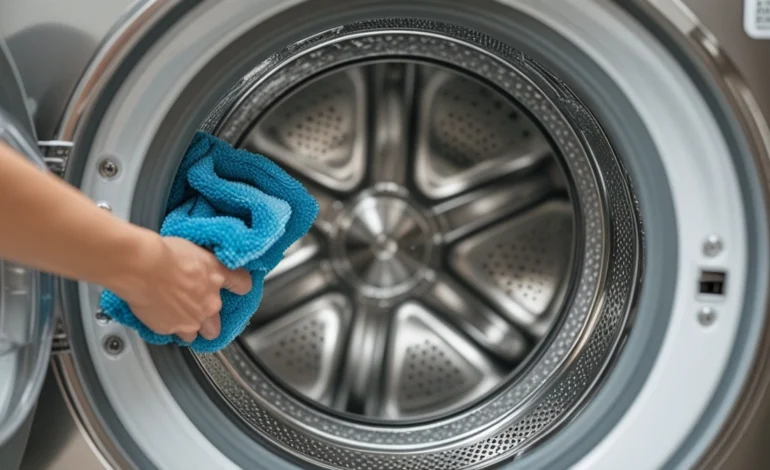
Do you want to know how to clean a washing machine properly? Deep cleaning and regular maintenance of your washing machine and dryer can help them run more efficiently and even prevent fires, which isn’t something most of us think about very often. Find out what you need to do to keep this important tool safe and clean. Your washing machine is always filled with water and detergent. Does that imply it’s spotless? Maybe not. In order to keep it running well for as long as possible, your washing machine, like any other household device, need a thorough cleaning. If you don’t, mildew and mould can flourish in its wet cracks, leaving an unpleasant odor in your washing machine and clothes.
There must be an area in your house that is cleaner than any other—the inside of your washing machine, surely? It’s unusual for appliances to need soap after each use, but this one does. On the other hand, mildew and mold can grow in any damp, dark, and warm place. The ick factor is very high because even while most of the filth and grime from your clothes goes down the drain, there is still sediment and soap scum that can remain.
No matter how often you wash it, a good rule of thumb is to give it a good scrub once a month. Follow these simple steps to clean your washing machine, whether it’s a top-loader or a front-loader.
What Can Lead to the Development of Moisture accumulation and Buildup?
- Excessive detergent use. One common belief is that more detergent is better for cleaning washing machines. Regrettably, that is not accurate. If you have a habit of pouring a mountain of detergent into your washing machine, either because you think it will clean your clothing better or because it’s just what you’ve always done, you might be wasting soap.
- These days, water-saving features are standard on most washing machines. Consequently, the detergent might not dissolve completely in the less water, which could lead to a soap film on the tub and perhaps machine damage. When washing a load of clothes, it’s important to always use the detergent and amount recommended by the manufacturer.
- Procrastinating too long while washing damp garments. Everyone has done it: gotten home from a long day, started a load of laundry, and then dozed off on the couch, only to wake up to stinky garments that needed another wash. If it’s something you do often, you can be inviting mildew and mold onto your property. It is recommended to transfer damp garments from the washing machine to the dryer without delay as the cycle ends. Consider using your phone’s alarm feature as a little nudge.
- Cloths and towels that are wet. Before putting them in a hamper, make sure they’re completely dry by hanging them up. Wet clothing and swimwear are no exception. Take immediate action if you detect a musty odor in freshly laundered clothing. If you need help cleaning your washing machine, here are a few pointers.
What is the recommended frequency of washing machine cleaning?
Regular cleaning of your washing machine is essential for keeping it in good working order. You can either use a machine that has a dedicated cycle for washing machines or clean it by hand. Once a month, after 30 cycles, or whenever something happens, like a load of laundry with serious color bleeding, is usually the suggested amount of time to clean your washing machine.
Luckily, you probably already have what you need to make your washing machine shine. As an example, vinegar can be used to clean a washing machine. What you need to clean both top-load and front-load washers are:
- Vinegar
- Baking Soda
- Bleach
- Cleaning Brush
- A dry towel
A guide to cleaning a washing machine with a front load
So how to clean a washing machine? To clean your front-loading washing machine, just follow these procedures. Concentrate on a single area for each stage.
To clean the drum, run the usual cycle with hot water
Before you begin, check that no clothing is still inside. Always refer to the manufacturer’s directions when using a washing machine cleaning. You may be required to put this into your drum or detergent dispenser by hand; it may be in the form of a tablet, powder, or liquid.
Next, add hot water to your washing machine and set it to the regular cycle. You can find specific cleaning programs, such as Tub Clean and Clean Washer, on certain Electrolux washing machines. Make sure there is no residue left on the drum by wiping it after each cycle.
Take the washer’s power cord removed and allow water to drain and filter out
The accumulation of water in your drain and filter could be a breeding ground for bacteria. Unplug the appliance when the cycle is complete, and then locate the little panel on the front bottom of the machine. Have paper towels below to catch any spills. Carefully open the panel and turn the dial to adjust the water flow.
Clean the pump’s filter
Take the top off the machine and look inside for any debris, including lint or forgotten items from pockets, that can be blocking the filter or drain. This could lead to excessive vibrations and lengthy cycle durations if not addressed. To clean the filter, run it under warm water and use a small brush to scrub it.
Dust off the door and gasket
Mould and unpleasant smells can flourish in the warm, damp conditions within your machine, thanks to the soap and water residue in the rubber gasket. You might want to double-check, even though the washer’s cleanser ought to have removed this. In order to clean the gasket more effectively, spray it with hot, soapy water. Carefully peel back the folds to ensure that the water gets inside. After that, wipe it off with a clean towel. Remember to also include the interior of the door.
Shine up the soap dispenser
Detergent can accumulate in the nooks and crannies of your dispenser and eventually lead to a clog. Handle the drawer removal with care for cleaning. The long tray ought to slide right off. Rinse the detachable inserts in hot, soapy water after separating them. After you’ve scrubbed them thoroughly to remove any residue, wipe them dry. Make sure the inside of the drawer is clean of any powder residue with a cloth or brush before returning it.
Lastly, wipe down the outside of the washing machine.
Rinse the machine and its controls with a moist cloth to finish. You can now see every inch of your computer.
how to clean a washing machine for top-loading washers: Maintenance instructions
Concentrate on a single area for each stage. Wash the tub in the washing machine by using hot water on the regular cycle. To clean the tub of your washing machine, follow these steps:
See whether anything has been left inside that you might have forgotten
To use the washing machine cleaning, just follow the manufacturer’s directions. You should probably just throw everything into the tub. The next step is to put the machine on a regular cycle using hot water. By quickly spinning the drum, a high-pressure water jet is formed, which efficiently removes any residue.
You should see that the water is murky. The reason for this is that debris accumulates under the inner drum. Drain it and wipe the bath to make sure no residue remains.
Remove the detergent dispenser and immerse it in hot water
Carefully remove from the detergent dispenser and soak in warm soapy water. Scrub well to remove the last residue. Even split a short brushing inside the drawer.
Sweep the inside and outside of the door to the washing machine
Scrub the inside and edges of the machine door with warm, soapy water. You should also wipe the top of the agitator if your washing machine has one. Those places could be cleaner as a result of the water filtering down.
Clean the washing machine door
Be sure to be aware of the appearance of your device. Wipe the controls and other surfaces with a damp microfiber towel to remove dust, dirt, and detergent droplets. To keep your coat in top condition, be careful now not to use any abrasives or harsh chemicals.
Conclusion
Fortunately, routine care does not require expensive products or professional help. With easy ingredients like vinegar, baking soda, warm water, and a few cleaning supplies, you can keep your washing machine looking new, odor-free, and running efficiently. The key is consistency. A short deep grease month to month mixed with the desired daily behaviour can prevent the most common washing machine problem. Whether you own the front-loading or top-loading version, take care of your washing machine way cleaning cloth within the future, greater cleanliness, and lower repair costs.
Learning how to clean a washing machine is one of the easiest ways to increase washing repeatability and support appliance survivability: dirt, soap scum, mold, and mineral deposits slowly accumulate inside every washing machine, even if it looks clean from the outside.
Shruti Singh is a passionate writer having 6 years of writing and editing experience. Through her articles on news2world, she explores the connection between people, planet, and everyday choices, translating complex information and issues into clear, engaging, and practical insights. Her work aims to inspire readers to adopt eco-friendly habits, think critically, and contribute meaningfully to a more comfortable future.