Gen Z Relationship Terms: Understanding Modern Dating Language and Relationship Types

The way people communicate and build relationships has changed dramatically over the past decade. Thanks to social media, dating apps, and online communities, Gen Z relationship terms have become a major part of modern conversations about love, dating, and friendships. Whether you’re navigating the dating world or simply trying to understand the latest slang, knowing these terms can help you better connect with today’s generation.
From situationships and soft launches to the popular diva meaning Gen Z, modern relationship language reflects changing attitudes toward commitment, individuality, and self-expression.
In this guide, we’ll explore the most common Gen Z relationship terms, different types of relationships in Gen Z culture, and what these trends reveal about modern dating.
What Are Gen Z Relationship Terms?
Gen Z relationship terms refer to the slang, phrases, and expressions commonly used by people born between the late 1990s and early 2010s to describe dating experiences, relationship dynamics, and social interactions.
Unlike traditional dating terminology, these expressions often emerge from social media platforms such as TikTok, Instagram, and X (formerly Twitter). They reflect the unique ways younger generations approach romance, communication, and personal boundaries.
Popular Gen Z Relationship Terms You Should Know
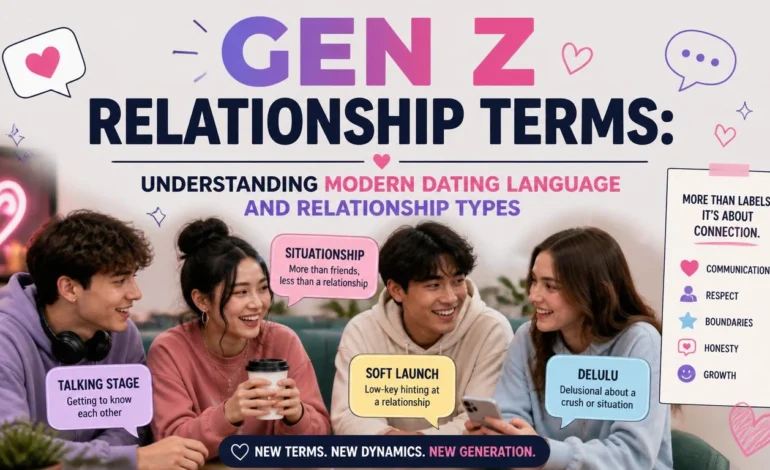
1. Situationship: A situationship is a romantic connection that exists somewhere between friendship and a committed relationship. The individuals involved may spend time together and share emotional intimacy, but there is no official label or long-term commitment.
2. Soft Launch: A soft launch occurs when someone subtly introduces their romantic partner on social media without revealing their identity completely. This may involve posting a photo of a hand, a silhouette, or a partial image rather than a full couple picture.
3. Hard Launch: The opposite of a soft launch, a hard launch means publicly revealing a relationship through photos, videos, or announcements on social media.
4. Ghosting: Ghosting happens when someone suddenly stops communicating without explanation. Calls, texts, and messages go unanswered, leaving the other person confused about the status of the relationship.
5. Breadcrumbing: Breadcrumbing is new Gen Z lingo, but being led on is nothing novel. A lot of people have experienced the lack of communication, canceled plans, and mixed signals.
6. Love Bombing: Love bombing refers to overwhelming someone with excessive affection, compliments, gifts, or attention during the early stages of a relationship. While it may seem romantic initially, it can sometimes be manipulative.
7. Green Flags: Green flags are positive traits or behaviors that indicate a healthy and respectful relationship. Examples include good communication, emotional maturity, and mutual respect.
8. Red Flags: Red flags are warning signs that may indicate unhealthy relationship patterns, such as controlling behavior, dishonesty, or lack of accountability.
9. Delulu: Short for “delusional,” delulu is often used humorously when someone has unrealistic hopes or expectations about a romantic interest.
10. Main Character Energy: This term describes someone who confidently embraces their individuality and prioritizes their personal growth and happiness.
11. Dry Dating: Gen Z daters are leading the dry dating trend in an effort to be present and engaged on dates, whether it’s the first date or the fiftieth.
12. Beige Flag: Someone’s dating app “beige flag”could be that they answer the dating prompt, “The best way to get to know me,” with “Just ask.” The answer is overused and isn’t a good conversation starter. A partner’s “beige flag” could be that they never press “stop” on their alarm so it goes off every nine minutes.
13. Catfishing: Pretending to be someone else online to attract or deceive a romantic interest, usually by using fake photos and details.
14. Friendzone: When one person desires romance, but the other prefers to keep things strictly friendly, leading to one-sided feelings.
15. Cushioning: Maintaining multiple backup connections in case the main connection fails. Having “cushions” softens the blow of a breakup.
16. Opencasting: Keeping romantic options open by chatting with or pursuing multiple people at once, and often broadcasting availability on dating apps.
Diva Meaning Gen Z
One of the most popular expressions in online culture today is diva meaning Gen Z. Traditionally, the word “diva” referred to a famous female performer known for exceptional talent and confidence.
However, in Gen Z culture, the term has evolved significantly. Today, calling someone a “diva” is often a playful compliment that celebrates confidence, self-expression, and unapologetic individuality. On platforms like TikTok, users may refer to themselves or others as a diva when displaying bold fashion choices, strong opinions, or an empowering attitude.
In many cases, “diva” is no longer associated with arrogance. Instead, it represents self-confidence, authenticity, and embracing one’s unique personality.
Types of Relationship in Gen Z
Understanding the different types of relationships in Gen Z culture is essential because modern dating no longer follows a single traditional path. Here are some common relationship structures embraced by Gen Z.
1. Traditional Committed Relationship
This remains one of the most common relationship types. Partners agree to exclusivity, long-term commitment, and shared relationship goals.
2. Situationship
As mentioned earlier, situationships are increasingly common among Gen Z individuals who prefer flexibility before committing to a formal relationship.
3. Long-Distance Relationship
With digital communication becoming easier, many Gen Z couples successfully maintain relationships despite living in different cities or countries.
4. Open Relationship
An open relationship allows partners to pursue romantic or physical connections with others while maintaining a primary relationship. This arrangement requires strong communication and mutual agreement.
5. Friends with Benefits (FWB)
This relationship involves friendship combined with physical intimacy without the expectations of a traditional romantic commitment.
6. Online Relationship
Many Gen Z individuals meet through gaming platforms, social media, or dating apps. Some relationships begin and develop primarily online before transitioning to in-person interactions.
7. Casual Dating
Casual dating focuses on getting to know different people without immediate expectations of exclusivity or long-term commitment.
Why Gen Z Uses Unique Relationship Terms
Several factors contribute to the rise of Gen Z relationship terms and the evolution of modern dating language.
Digital Communication
Social media platforms, dating apps, and instant messaging have completely changed how relationships begin and develop. Unlike previous generations that relied heavily on face-to-face interactions, Gen Z often forms connections online first. As new dating behaviors emerge in digital spaces, terms like “ghosting,” “soft launch,” and “breadcrumbing” have become popular ways to describe these experiences.
Greater Focus on Individuality
Gen Z places a strong emphasis on self-discovery, personal goals, and maintaining individuality within relationships. Many young people believe that a healthy relationship should support personal growth rather than define their entire identity. This mindset has led to the creation of terms that reflect independence, self-worth, and unique relationship dynamics.
Changing Views on Commitment
Traditional relationship timelines are becoming less common among younger generations. Many Gen Z individuals prefer taking time to understand compatibility, values, and emotional connection before committing to a serious partnership. As a result, terms like “situationship” and “talking stage” have emerged to describe relationship phases that exist between friendship and formal commitment.
Increased Mental Health Awareness
Mental health has become a major topic of discussion among Gen Z, influencing how they approach relationships. Concepts such as emotional intelligence, healthy boundaries, self-care, and effective communication are now considered essential for successful partnerships. This awareness has encouraged the use of relationship terms that help identify healthy behaviors, red flags, and emotional well-being within romantic connections.
How Gen Z Is Changing Modern Dating
Gen Z’s approach to relationships differs from previous generations in several ways:
- More open conversations about mental health.
- Greater emphasis on consent and boundaries.
- Increased acceptance of diverse relationship structures.
- Stronger focus on authenticity and transparency.
- Willingness to prioritize personal growth before commitment.
Conclusion
Understanding Gen Z relationship terms can provide valuable insight into how younger generations navigate romance, friendships, and social connections. From situationships and soft launches to the evolving diva meaning Gen Z, these expressions reflect changing attitudes toward dating and self-expression. At the same time, the various types of relationships in Gen Z culture demonstrate that there is no longer a one-size-fits-all approach to love and commitment. Whether someone chooses a traditional relationship, a long-distance partnership, or a more flexible arrangement, communication and mutual respect remain the foundation of healthy connections. As social norms continue to evolve, these relationship terms will likely keep growing and adapting, offering a fascinating glimpse into the future of modern dating.
Shruti Singh is a passionate writer having 6 years of writing and editing experience. Through her articles on news2world, she explores the connection between people, planet, and everyday choices, translating complex information and issues into clear, engaging, and practical insights. Her work aims to inspire readers to adopt eco-friendly habits, think critically, and contribute meaningfully to a more comfortable future.