
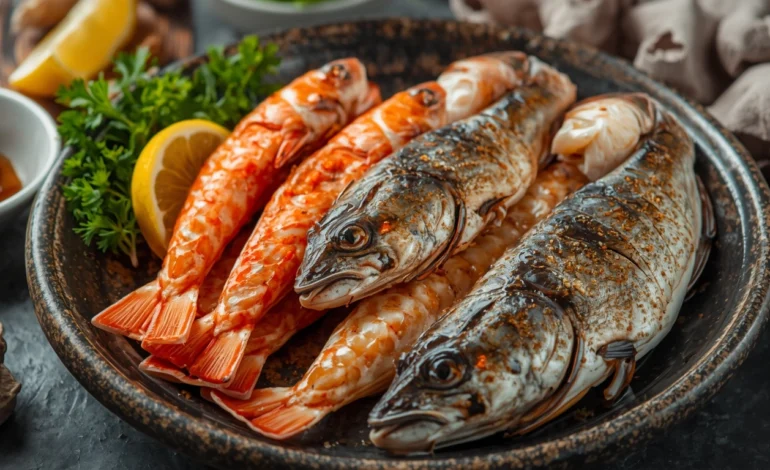
Seafood is an important part of diets around the world and includes a wide variety of edible animals and plants obtained from oceans, rivers, lakes, and other aquatic environments. From fish and shrimp to crabs, oysters, mussels, and squid, seafood offers a diverse combination of flavors, textures, and nutrients.
Seafood is especially valued for its protein content and, in many varieties, its supply of omega-3 fatty acids. It can be prepared in countless ways, including grilling, baking, steaming, boiling, frying, and cooking in curries and soups.
What Is Seafood?
The term seafood generally refers to aquatic organisms that are harvested and consumed as food. Although the word contains “sea,” the category can include animals from both marine and freshwater environments. Fish are one of the largest categories of seafood. Common examples include salmon, tuna, sardines, cod, mackerel, and many local freshwater fish.
Shellfish form another major category and include animals such as shrimp, prawns, crabs, lobsters, oysters, clams, mussels, and scallops. Cephalopods such as squid and octopus are also commonly considered seafood. Seafood can be purchased fresh, frozen, canned, dried, smoked, or otherwise preserved, depending on the species and preparation method.
Popular Types of Seafood
Seafood can be broadly divided into several groups.
- Finfish include species such as salmon, tuna, sardines, anchovies, cod, trout, and mackerel. These fish differ significantly in fat content, flavor, texture, and nutritional composition.
- Crustaceans include shrimp, prawns, crabs, and lobsters. They have hard outer shells and are popular in dishes ranging from soups and curries to grilled and stir-fried preparations.
- Mollusks include oysters, mussels, clams, and scallops. Many are harvested from coastal waters and are known for their distinctive flavors.
- Cephalopods include squid and octopus. They are commonly grilled, fried, steamed, or incorporated into rice, noodle, and seafood dishes.
Different types of seafood provide different nutrients, so eating a variety of species can provide a broader nutritional profile.
Nutritional Benefits of Seafood
One of the main reasons seafood is popular is its high-quality protein. Protein is essential for maintaining muscles, repairing tissues, and supporting numerous biological processes. Many seafood varieties are also rich in important vitamins and minerals. Depending on the species, seafood can provide vitamin B12, vitamin D, selenium, iodine, zinc, and iron.
Fatty fish such as salmon, sardines, herring, and mackerel are particularly well known for containing omega-3 fatty acids, including EPA and DHA. These essential fats are important components of a healthy diet. Seafood can also be relatively low in saturated fat compared with many other animal-based protein sources, although its nutritional composition varies considerably between species and cooking methods. For these reasons, seafood can be part of a balanced diet when consumed as part of an overall nutritious eating pattern.
Seafood and Omega-3 Fatty Acids
Omega-3 fatty acids are among the nutrients most strongly associated with seafood. Fatty fish tend to contain higher amounts of EPA and DHA than lean fish. These fats play several important roles in the body. DHA is an important structural component of the brain and eyes, while EPA and DHA are involved in normal cardiovascular and cellular functions. The amount of omega-3 varies depending on the species. Fatty fish generally provide considerably more than lean fish. People who want to increase their dietary omega-3 intake can include fish such as sardines, salmon, mackerel, and herring as part of a balanced diet.
Health Considerations When Eating Seafood
Although seafood can be highly nutritious, there are some considerations when choosing and preparing it. Certain fish can contain higher levels of mercury, a naturally occurring element that can accumulate in aquatic food chains. Mercury exposure is particularly important for pregnant people, breastfeeding people, and young children, who may be more vulnerable to its effects.
Choosing a variety of lower-mercury seafood and following local or national dietary guidance can help reduce unnecessary exposure while still allowing people to enjoy the nutritional benefits of fish.
Food safety is another important consideration. Raw or undercooked seafood can carry harmful microorganisms or parasites. Proper storage, handling, and cooking can significantly reduce these risks. People with shellfish allergies should also avoid seafood that triggers their allergy and take precautions to prevent cross-contact.
Fresh vs. Frozen Seafood
Fresh seafood is often associated with quality, but frozen seafood can also be nutritious and convenient. In some cases, fish is frozen shortly after being caught, which can help preserve its quality. When buying fresh seafood, look for a clean appearance and appropriate storage conditions. Fish should generally have a mild, fresh smell rather than a strong unpleasant odor.
For frozen seafood, check that the packaging is intact and that the product has remained properly frozen. Excessive ice buildup or damaged packaging may indicate problems with storage. The best choice often depends on availability, budget, intended recipe, and how quickly the seafood will be consumed.
How Seafood Is Prepared
Seafood is extremely versatile in the kitchen. The cooking method can significantly affect its flavor, texture, and nutritional profile.
- Grilling works particularly well for firm fish, shrimp, prawns, and squid. It can produce a flavorful exterior while keeping the interior moist when cooked correctly.
- Steaming is a gentle cooking method that can preserve the natural flavor and delicate texture of fish and shellfish.
- Baking is convenient for preparing fish fillets and larger seafood portions. Herbs, spices, vegetables, and citrus can be used to add flavor.
- Curries and stews are popular ways to prepare seafood in many cuisines. Fish, prawns, crab, and other seafood can absorb the flavors of aromatic spices and sauces.
- Frying creates a crispy texture but can substantially increase the calorie content of a meal depending on the coating and amount of oil used.
For many everyday meals, steaming, baking, grilling, or lightly sautéing seafood can be simple ways to prepare it.
Sustainable Seafood
Sustainability is becoming an increasingly important consideration when choosing seafood. Overfishing, habitat destruction, bycatch, pollution, and climate-related changes can affect marine ecosystems and seafood populations.
Sustainable seafood practices aim to maintain healthy fish and shellfish populations while reducing damage to aquatic environments.
Consumers can support responsible seafood choices by learning where seafood comes from and looking for credible sustainability information where available. Farmed seafood can also be part of sustainable food systems, although environmental impacts vary significantly between species and farming methods.
Choosing a variety of seafood rather than relying heavily on a single species can also help diversify consumption patterns.
Seafood in Different Cuisines
Seafood has an important place in cuisines across the world.
- In Japan, fish and other seafood are used in sushi, sashimi, soups, grilled dishes, and many traditional preparations.
- Mediterranean cuisines commonly feature grilled fish, seafood stews, shellfish, herbs, olive oil, and vegetables.
- South Asian cuisines use fish, prawns, crab, and other seafood in curries, biryanis, fried preparations, and regional specialties.
- In Southeast Asia, seafood frequently appears in noodle dishes, spicy soups, stir-fries, curries, and rice-based meals.
- Coastal communities in many parts of the world have developed seafood traditions based on the species naturally available in their surrounding waters.
How to Choose Seafood
When buying seafood, consider freshness, species, origin, storage conditions, and how you plan to prepare it. For fresh fish, the flesh should generally look firm and moist rather than dry or deteriorated. Whole fish should have clear, natural-looking eyes and intact skin.
Shellfish should be purchased from reliable sources and kept properly chilled. Live shellfish should show signs of being alive when appropriate for the species. For packaged seafood, check the label, storage instructions, and use-by or best-before information. It is also useful to select different types of seafood throughout the year instead of eating the same species repeatedly.
Conclusion
Seafood is a diverse and nutritious food category that includes fish, shellfish, squid, octopus, and many other aquatic foods. It provides high-quality protein and, depending on the species, important nutrients such as omega-3 fatty acids, vitamin B12, vitamin D, selenium, iodine, and zinc.
From simple grilled fish to elaborate seafood curries and soups, there are countless ways to include seafood in meals. At the same time, responsible sourcing, proper storage, safe preparation, and awareness of mercury levels are important for making informed choices.
By choosing a variety of seafood and preparing it thoughtfully, people can enjoy its nutritional value, culinary versatility, and distinctive flavors while supporting healthier eating habits.
FAQs About Seafood
1. What is seafood?
Seafood refers to edible aquatic organisms, including fish, shrimp, prawns, crabs, lobsters, oysters, mussels, squid, and octopus.
2. Is seafood healthy?
Many types of seafood are excellent sources of protein and provide important nutrients. Fatty fish can also provide omega-3 fatty acids.
3. Which seafood is high in omega-3?
Fatty fish such as salmon, sardines, mackerel, herring, and anchovies are generally good sources of EPA and DHA omega-3 fatty acids.
4. What is the healthiest way to cook seafood?
Steaming, baking, grilling, and light sautéing can be nutritious preparation methods. The healthiest option depends on the ingredients and overall meal.
5. Can seafood contain mercury?
Yes. Some fish accumulate more mercury than others. Choosing a variety of seafood and following current dietary guidance can help manage mercury exposure.

Shruti Singh is a passionate writer having 6 years of writing and editing experience. Through her articles on news2world, she explores the connection between people, planet, and everyday choices, translating complex information and issues into clear, engaging, and practical insights. Her work aims to inspire readers to adopt eco-friendly habits, think critically, and contribute meaningfully to a more comfortable future.