
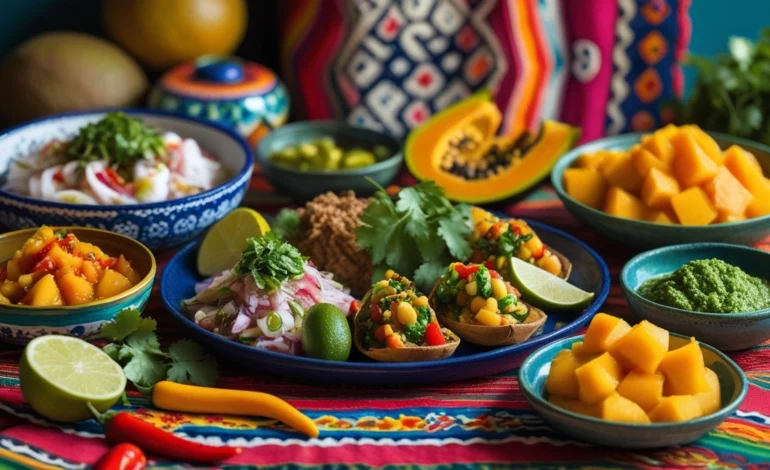
Peruvian food stands among the most diverse and flavour-packed cuisines in the entire world. Rooted in thousands of years of indigenous tradition and shaped by waves of Spanish, African, Japanese, and Chinese immigration, it carries a depth that few other food cultures can match. Every dish tells a story — of geography, migration, and ingredients that exist nowhere else on earth. From the Pacific coastline to the high Andes and deep into the Amazon basin, the ingredients and cooking techniques shift dramatically across regions.
What makes Peruvian food genuinely remarkable is not just the variety — it is the complexity within each dish. A single plate of ceviche carries acid, heat, sweetness, and umami simultaneously. Lomo saltado blends stir-fry technique with South American ingredients in a way that should not work but absolutely does. Moreover, Peruvian cuisine has earned serious global recognition, with Lima consistently producing restaurants ranked among the world’s best. This guide covers the essential dishes, regional flavours, and cultural context behind one of the most exciting food traditions on the planet.
What Makes Peruvian Cuisine Unlike Any Other
Peruvian food draws from an extraordinary range of ecosystems. Consequently, ingredients available to Peruvian cooks are wildly diverse compared to most other cuisines.
- Over 3,000 varieties of potato originate from Peru — the country is essentially the birthplace of the potato
- More than 650 native varieties of chilli pepper grow across different altitudes and climates
- The Amazon provides unique fruits, fish, and herbs unavailable anywhere else in the world
- Coastal access to the Pacific delivers some of the freshest seafood on the continent
- High-altitude grains like quinoa and kiwicha have been cultivated for centuries in the Andes
Furthermore, the cultural layering is equally significant. Indigenous Incan cooking merged with Spanish colonial influence, then absorbed techniques and ingredients from African, Chinese, and Japanese communities. The result is a cuisine that feels both ancient and continuously evolving.
Essential Peruvian Dishes Every Food Lover Should Know
Ceviche
Ceviche is arguably the most iconic dish in Peruvian food culture. Fresh raw fish — typically sea bass or flounder — is cured in tiger’s milk, a sharp marinade of lime juice, ají amarillo chilli, red onion, garlic, and salt.
- The acid in the lime juice firms the fish without heat, creating a texture that is tender but structured
- Tiger’s milk (leche de tigre) is often served separately as a shot — considered a hangover cure locally
- Garnishes include choclo (giant corn), sweet potato, and crispy cancha corn for textural contrast
- Regional variations exist across the coast, with each area adjusting the chilli heat and marinade balance
Lomo Saltado
Lomo saltado is a perfect example of chifa — the Peruvian-Chinese culinary fusion that developed through Chinese immigrant communities in Lima.
- Strips of beef sirloin are stir-fried at high heat with tomatoes, red onion, soy sauce, and ají amarillo
- French fries are added directly into the wok, absorbing the sauce and creating an unexpected but brilliant texture combination
- Served alongside white rice, the dish bridges two completely different food traditions on a single plate
- The high-heat wok technique comes directly from Chinese cooking, while the ingredients are entirely Peruvian
Ají de Gallina
This is Peruvian comfort food at its most satisfying. Shredded chicken is slow-cooked in a rich, creamy sauce built from ají amarillo chilli, bread, walnuts, and evaporated milk.
- The sauce has a deep golden-yellow colour from the ají amarillo — visually striking and flavour-forward
- Served over white rice with boiled potatoes and a sliced hard-boiled egg on top
- The walnut adds a subtle bitterness that balances the richness of the cream-based sauce
- Originally influenced by Spanish colonial cooking, it has since become its own dish entirely
Anticuchos
Anticuchos are grilled skewers with deep roots in Afro-Peruvian cooking tradition. Traditionally made from beef heart, they are marinated in ají panca chilli, cumin, garlic, and vinegar before being grilled over open flame.
- Street vendors across Lima sell anticuchos late into the night — they are a genuine street food institution
- The marinade tenderises the meat and builds a smoky, slightly tangy crust on the grill
- Modern versions now include chicken, fish, and vegetables for those avoiding offal
- Served with boiled potato and a spicy ají sauce on the side
Causa Rellena
Causa is a layered cold dish built on a base of yellow potato mashed with lime juice and ají amarillo.
- Fillings typically include tuna, chicken, or prawn mixed with mayonnaise and avocado
- The dish is assembled in layers and served chilled — closer to a terrine in structure than a traditional plate
- Its visual presentation is striking — neat layers of yellow potato with colourful filling visible at the cut edge
- Additionally, it works equally well as a starter or a light main course
Regional Peruvian Food Worth Exploring Beyond Lima
Lima dominates most conversations about Peruvian cuisine, but the regional variety deserves equal attention.
- Arequipa: Known for rocoto relleno (stuffed spicy pepper) and chupe de camarones (prawn chowder with milk and eggs)
- Cusco: Hearty Andean dishes like seco de cordero (braised lamb) and chicharrón de cerdo (fried pork)
- Iquitos (Amazon): Jungle ingredients dominate — juane (rice and chicken wrapped in bijao leaves) and tacacho (mashed plantain with pork)
- Trujillo: Shambar, a thick Monday stew made from wheat, beans, and pork, is a northern staple
The Role of Chilli Peppers in Peruvian Cooking
No ingredient defines Peruvian food more consistently than the chilli pepper. However, Peruvian chillies are less about raw heat and more about layered flavour.
- Ají amarillo: Fruity, medium heat, forms the backbone of countless sauces and stews
- Ají panca: Deep red, smoky, low heat — used in marinades and slow-cooked dishes
- Rocoto: Bright red, significantly hotter, used stuffed or in salsas
- Ají limo: Sharp citrusy heat, used almost exclusively in ceviche along the coast
Each chilli brings a distinct flavour profile rather than just spice level, which is why they are not interchangeable in recipes.
Conclusion
Peruvian food is not a trend — it is a deeply rooted culinary tradition backed by extraordinary biodiversity, centuries of cultural exchange, and a genuine pride in ingredients and technique. From the acid-bright clarity of ceviche to the smoky depth of anticuchos, every dish reflects a specific place, history, and way of eating that cannot be replicated elsewhere.
Exploring peruvian food, whether travelling through Peru or finding it in a restaurant closer to home, is one of the most rewarding food experiences available. The flavours are bold, the combinations are unexpected, and the depth of the cuisine rewards curiosity at every level.
FAQs
Q1. What is the most famous Peruvian food?
Ceviche is widely considered the most iconic dish — fresh fish cured in lime juice with chilli, onion, and seasoning.
Q2. Is Peruvian food spicy?
It uses chilli peppers extensively, but the focus is on flavour rather than heat. Most dishes are manageable for people with moderate spice tolerance.
Q3. What is tiger’s milk in Peruvian cooking?
Tiger’s milk (leche de tigre) is the citrus-based marinade used to cure fish in ceviche. It is also served as a drink on its own.
Q4. What makes Peruvian cuisine unique?
The combination of indigenous ingredients, diverse ecosystems, and multicultural culinary influence — Spanish, Chinese, Japanese, African — creates a cuisine unlike any other.
Q5. Is quinoa originally from Peru?
Yes. Quinoa has been cultivated in the Peruvian Andes for thousands of years and remains a staple grain in the region.

Shruti Singh is a passionate writer having 6 years of writing and editing experience. Through her articles on news2world, she explores the connection between people, planet, and everyday choices, translating complex information and issues into clear, engaging, and practical insights. Her work aims to inspire readers to adopt eco-friendly habits, think critically, and contribute meaningfully to a more comfortable future.