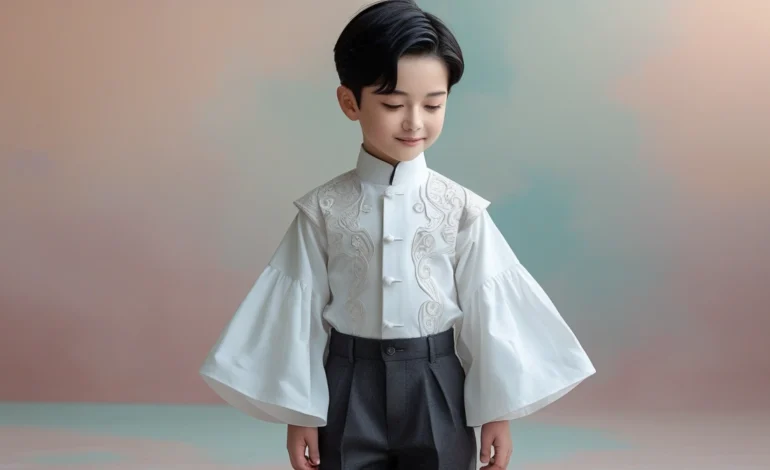
Ouji fashion provides the perfect answer for those individuals who desire an historically elegant aesthetic conveyed through a modern alternative fashion approach. The fascinating Japanese street trend consists of historically accurate European aristocratic Victorian/Regency child formal-wear styled into the modern realm and focused on the more structured, sharp tailoring and silhouette of these elegant articles of clothing. It combines youthful/boyish features with adult royalty, providing a sophisticated stance against mainstream fashion that will appeal to anyone hoping to add a dramatic touch to their personal wardrobe.
Ouji fashion really focuses on being “put together,” paying close attention to the coordination and quality of the material, as well as the design elements of the clothing. It is all about creating a perfect look where every piece goes well with the next, therefore leading enthusiasts to search through piles for the right blouses, vests, and specially designed bottom-wear. These carefully put together outfits look extremely sophisticated due to their level of detailed coordination and, if worn by any individual, express a very distinctive and gender-neutral version of aristocracy.
The Fundamental Aspects of Ouji Fashion
A correct coordinate requires an understanding of the basics that make up this type of look. Unlike conventional modern menswear, this style employs decadent textures, overwhelming layers, and an antiqued tailoring to develop its aristocratic outline.
Garments essential to creating a classic look include:
- High-collar blouses: Plain, clean, high-collared blouses that may also feature Victorian ruffles or lace, as well as elaborate jabots as undergarments.
- Vests: Formal and ornate vests that are tailored to accentuate the wearer’s waist as a focal point with decorative buttons for the finer details.
- Pumpkin pants: Baggy shorts that can be gathered and cinched at the knees.
- Slacks: Straight-leg, high-waisted slacks as an alternative to shorts, creating a more mature look.
- Swallowtails: The show-stopping formal outer garments, also featuring an extra-long back for a royally distinguished appearance.
Examining some core stylistic subgenres
The true malleability of the ouji fashion aesthetic comes through with its varying subgenres, each giving it a distinct conceptual flair. The wearer has the freedom to experiment with naive, darker, or hyper-militaristic variations depending on personal preference.
The Definition of Boystyle Elegance
Boystyle is the overarching aesthetic term for masculine and androgynous tailoring within subgenres of Japanese street fashion. Rejecting the conventional norms of female dressing, it involves the integration of soft fabrics with rigid cuts and tailoring, ensuring the perfect aesthetic for individuals of any gender to easily step into the role of a fairytale prince.
The Delightful Style of Sweet Ouji
This particular subgenre embraces the most childish, youthful stylistic aesthetic with its soft color schemes and endearing adornments.
- Color Schemes: Outfits often consist of colors such as pastel blue, creamy soft white, pastel lavender, and snow white.
- Charming Motifs: Many outfits feature a story-bookesque pattern, such as animals, musical notes, or simple, elegant stars.
- Children’s Headwear: The standard coordinates accompany a velvet beret or soft boater straw hat, or a small, velvet bow.
The Gothic Flair of Ouji
The darker and more mysterious lover of this ouji fashion aesthetic can express themself through the gothic variant.
- Darker Colors: Outfits tend to heavily rely on the colors midnight black, deep wine, burgundy, deep forest green, and deep navy blue.
- Gothic & Vampire Motifs: Designs may feature designs that use silver crosses, spider webs or lace, bat wings for collars, and metallic, dark chains.
- Heavy Fabric Choices: Textured brocade, thick velvet, and faux leather trims is very common in Ouji clothing design.
Sourcing Quality Materials for Your Coordinate
The overall success of an outfit depends heavily on the weight, drape, and texture of the selected fabrics. Cheap materials fail to hold the crisp shapes required for historical silhouettes, making fabric selection a vital step.
When shopping for authentic pieces, look for these premium textiles:
- Cotton Voile: Excellent for breathable, comfortable undershirts that require delicate ruffling.
- Heavy Wool Blends: Ideal for winter coats and structured trousers that need to retain a clean form.
- Jacquard and Brocade: Perfect for adding intricate, woven patterns to waistcoats and formal jackets.
- Silk and Satin: Frequently used for neckties, pocket squares, and decorative inner linings to enhance comfort.
Essential Footwear and Accessories
No royal ensemble is truly complete without the addition of carefully curated accents and proper footwear. These final touches of ouji fashion bind the individual elements together, transforming separate garments into a unified, theatrical statement.
Complete the look by incorporating these critical components:
- Mid-Calf Boots: Leather boots featuring multiple buckles, laces, or platform soles add necessary visual weight to the lower body.
- Ornate Top Hats: Mini or full-sized top hats adorned with feathers and ribbons elevate the formal aesthetic dramatically.
- Pocket Watches: Functional or decorative antique timepieces tucked into a vest pocket provide excellent historical authenticity.
- Patterned Over-Knee Socks: Argyle, diamond, or simple monochrome striped socks bridge the gap between shorts and footwear elegantly.
How to Style a Casual Everyday Look
Transitioning this highly theatrical look into an everyday setting requires strategic down-dressing to maintain comfort while preserving the style’s core essence. You can enjoy the princely aesthetic without drawing overwhelming attention during casual outings.
Follow these simple adjustments for a relaxed presentation:
- Simplify the Layers: Ditch the heavy swallowtail jacket and wear a simple waistcoat over a clean button-up shirt.
- Swap the Bottoms: Trade voluminous pumpkin shorts for fitted, modern culottes or neatly pressed regular trousers.
- Tone Down Accessories: Remove large crowns or dramatic capes, opting instead for a subtle vintage brooch or leather belt.
- Neutralize the Colors: Stick to a sophisticated palette of charcoal gray, chocolate brown, navy, and ivory tones.
Conclusion
In conclusion, Ouji fashion represents a timeless celebration of historical artistry blended seamlessly with modern Japanese street style innovation. The careful composition of structured outerwear, detailed blouses, and specific coordinates allows wearers to craft a uniquely powerful presence. It offers an incredible artistic outlet for anyone fascinated by the romance of bygone eras. Investing in these garments ensures you possess a versatile, expressive wardrobe capable of turning heads at any fashion gathering.
Ultimately, Ouji fashion empowers the individual to redefine modern masculinity and androgynous elegance on their own personal terms. The meticulous craftsmanship hidden within each ruffle and tailored seam provides a sense of confidence that standard clothing simply cannot replicate. By mastering the core elements and exploring the various captivating substyles, you unlock a regal world of endless sartorial creativity.
FAQs
Can anyone wear this specific Japanese street style?
Yes, this aesthetic is entirely gender-fluid and welcomes individuals of all identities to enjoy its princely silhouettes.
How do I keep my pumpkin pants looking voluminous?
Look for shorts with built-in elastic gathers or utilize lightweight petticoat bloomers underneath to maintain the rounded shape.
What is the main difference between this style and Lolita fashion?
This style emphasizes masculine-inspired tailoring like shorts, vests, and trousers, whereas Lolita fashion focuses on bell-shaped skirts and petticoats.
Do I need to buy expensive indie brands to start?
No, beginners can start by finding high-quality vintage vests and ruffled blouses at thrift stores to build custom coordinates.
Which shoes work best for a classic coordinate?
Matte black or dark brown leather boots with lace-up fronts or moderate platforms complement the historical theme perfectly.

Shruti Singh is a passionate writer having 6 years of writing and editing experience. Through her articles on news2world, she explores the connection between people, planet, and everyday choices, translating complex information and issues into clear, engaging, and practical insights. Her work aims to inspire readers to adopt eco-friendly habits, think critically, and contribute meaningfully to a more comfortable future.