how to snowboard Safely and Confidently: A Beginner’s Tutorial

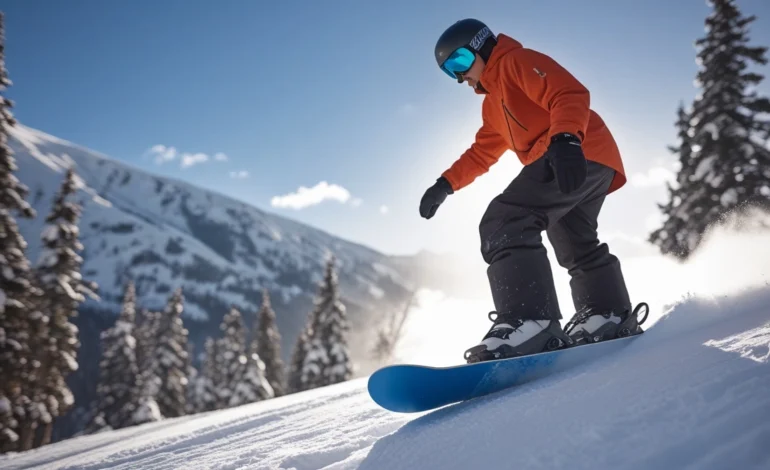
Snowboarding is one of the most exciting winter sports in the world. It combines balance, coordination, athleticism and adventure and is an avid delight in the snow-covered mountains. For many beginners, snowboarding also seems difficult at first, because both toes are tied to an unmarried board. This complete guide explains how to snowboard beautifully, from mastering equipment selection and stability to mastering turns, stopping competently, and strengthening technique.
But learning becomes much less difficult and much more enjoyable as soon as the basics are diligently understood and practiced. Whether you want to snowboard casually during the winter holidays or dream of using superior mountain terrain, knowing the basics is the first step to building confidence and increasing your skills.
Understanding the Basics of Snowboarding
Snowboarding involves riding down snowy slopes while standing sideways on a snowboard that is attached to your boots via bindings. Unlike skiing where each leg moves independently, snowboarding requires coordinated movement of the entire body. The sport relies heavily on:
- Medicine
- Controls the edge
- The position of the body.
- Load distribution
- Timing
Beginners usually spend the first few sessions mastering standing, running, tackling, and manipulating without difficulty. Falls are a fixture in learning the system, and nearly every snowboarder is increasingly reporting multiple falls in addition to basic monitoring. The good news is that the complexity of running decreases significantly once you learn the basics.
Choosing the Right Snowboarding Equipment
Having the right equipment can significantly increase the knowledge to look forward to. Poorly prepared equipment regularly makes snowboarding more difficult and uncomfortable.
Although it may appear pointless to discuss the fundamentals of snowboarding gear, we have witnessed enough antics to know that it is a crucial subject to address. This part is for you if you’ve ever attempted snowboarding while wearing pants, athletic shoes, or snowboards that were drastically too big or too little. Learning will be less of a chore, more of a pleasure, and more bearable if you have the proper tools. We assure you. A few essential items are necessary for a beginner snowboarder.
- With the right size snowboard
- Boots for snowboarding that fit properly
- The right snowboard bindings for your boots
- Jacket, snow pants, and mittens or gloves that are weather-appropriate
- Ski and snowboard helmets that are the right size
We suggest visiting your neighbourhood snowboard shop and consulting with a helpful salesperson to streamline the process of selecting the appropriate equipment. So that they can assist you in putting together a snowboarding equipment that is suitable for beginners, inform them that you are beginning to snowboard.
Understanding the Snowboard Stance
Before learning how to snowboard, you need to determine your riding position.
- Heading up to the slopes without first deciding which foot to lead with is a bad idea. If you want to learn how to snowboard, this is a good place to start. You can easily test your lead foot by running and sliding on a particularly smooth surface, such hardwood or polished concrete. The foot that protrudes the farthest ahead of you is called the lead foot. Standing with your feet squared and having a friend push you from behind is another method to locate your lead foot. You should lead with the foot that you use to take the initial step forward. This is a perfectly normal response.
- Stay out of it. Your lead foot, won’t always line up with your preferred side of the body. Just because you’re right-handed or left-handed doesn’t imply your lead foot will follow your natural inclination when sliding into base in baseball.
- Rest assured. No one is going to stop you from not leading with your lead foot if you decide that’s what you prefer. For the majority of boarders, determining which way to stand is as simple as finding their lead foot. Nothing is finalized just yet.
Ensuring that the Bindings are Secure on Your Board
‘Bindings’ is likely a rather foreign word for anyone just starting out on snowboards. You strap your feet into the bindings, which are the plastic fastenings attached to your snowboard, when you walk onto the board. Putting on your bindings might seem like a huge pain at first, but you’ll get the hang of it pretty quickly.
The most popular binding style is the strap binding, which gets its name from the fact that you 22 straps over your boot to attach yourself to the board. With their various adjustability and cushioned plastic construction, the straps provide exceptional comfort.
After positioning your foot for comfort, thread one end of the binding through the other’s fastener to secure. Persist in applying pressure until your foot is securely and comfortably gripped by the board. Just slide the binding apart and press the quick-release toggle to release.
To navigate flat areas, board and off lifts, and ascend the beginner’s hill, you should utilize your back foot to propel yourself forward, similar to skateboarding, while keeping it out of the binding.
A Guide to Keeping Your Speed Under Control
Being able to regulate your pace is crucial when venturing out on snow for the very first time. Gaining control of your speed allows you to master your board, which in turn gives you confidence when you hit the snow. Half the fight is mastering proper posture. When learning to snowboard, it’s crucial to have the basics down pat. This includes spreading your weight evenly across your feet and bending at the knees.
Putting your hand on the snowboard’s edge will cause friction, which in turn will cause your board to slow down. Being able to quickly and easily slow down or speed up when necessary is a crucial skill for snow skiing, since it will allow you to gain confidence more rapidly.
The fundamentals of how to snowboard for newbies
- Tips for safely tumbling on snow without hurting yourself.
Let’s be real: falling is an inevitable part of learning to snowboard. Very much. Thus, mastering the art of falling gracefully is crucial. If you can, avoid falling on your cervical region and instead attempt to fall uphill instead than downhill. If you bend over slightly at the knees as you’re about to fall, you’ll only be striking the snow from a height of around one foot, significantly reducing the likelihood of injury.
A guide to getting in shape for surfing
It requires power, stamina, and physical effort to snowboard, yet the sport is entertaining and hard. It will be much easier to go through the classes and understand what is being taught if you are physically and mentally fit. Your legs will get stronger quickly because you’ll be bending your knees slightly for long periods of time. Squats, lunges, and calf raises are great leg exercises to do before hitting the slopes if you’d rather focus on building muscle there.
Reasons why you need to ride your board daily
In order to get better, you must really go skiing or snowboarding and practice at it. The more time you dedicate, the better you will get; it’s that easy. Fortunately, you may practice and try again and again until you master it.
Conclusion
Falling is a natural part of snowboarding, so don’t be discouraged until the early stages. Every experienced snowboarder must have struggled with balance. With daily practice and the right mindset, you can strengthen your approach step by step and reap the benefits of confidence on the mountain. Whether your goal is casual snow fun, free cluing, or exploring mountain vistas, skiing provides you with countless opportunities for enjoyment and personal growth.
Learning how to snowboard requires endurance, staying power, and practice, yet it is all too rewarding a joy. Beginners have the awareness to gain knowledge of stability, manipulating the wing, braking, and making changes before attempting a good area or trail. The right tool, safety equipment, and beginner-pleasant prone can make getting to know the system safer and extra enjoyable.
Shruti Singh is a passionate writer having 6 years of writing and editing experience. Through her articles on news2world, she explores the connection between people, planet, and everyday choices, translating complex information and issues into clear, engaging, and practical insights. Her work aims to inspire readers to adopt eco-friendly habits, think critically, and contribute meaningfully to a more comfortable future.