Shruti Malhotra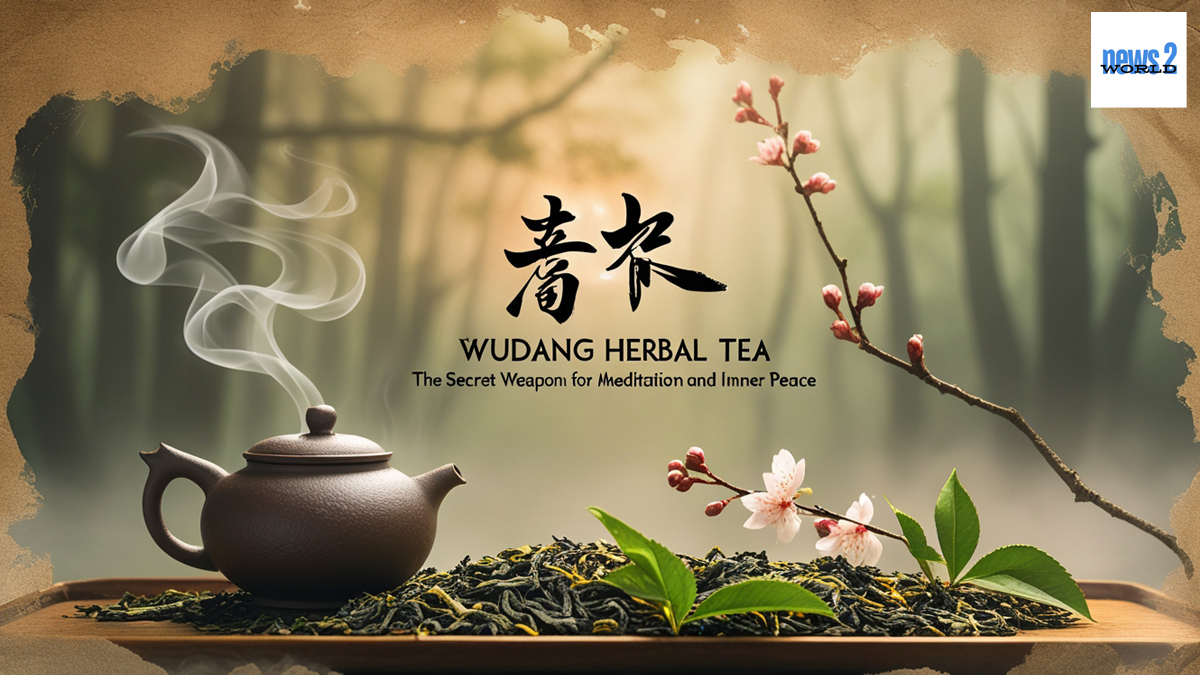
In China’s northwest Hubei Province, in the city of Shiyan, stands Wudang Mountain. Wudang Mountain is arguably the most well-known Taoist sacred site in China and perhaps the globe. As a one-of-a-kind site for the dissemination of Taoist culture in China, the Wudang Mountains’ Ancient Building Complex has been a part of the World Heritage List since 1994. Elevated in the Wudang Mountains, the spiritual center of Daoist internal cultivation, this premium green tea is known as Wudang Daoist or Wudang herbal tea. Harvested in the first flush of spring from the youngest, most delicate buds and leaves, this tea is then painstakingly dried by hand using time-honored wok-firing methods.
The end product is a Wudang green tea that is more fragrant, clearer, and more refined Qi than the regular kind. It’s perfect for seated meditation, peaceful practice, or any time you need to center yourself—its velvety texture, subtle sweetness, and serenity make it perfect.
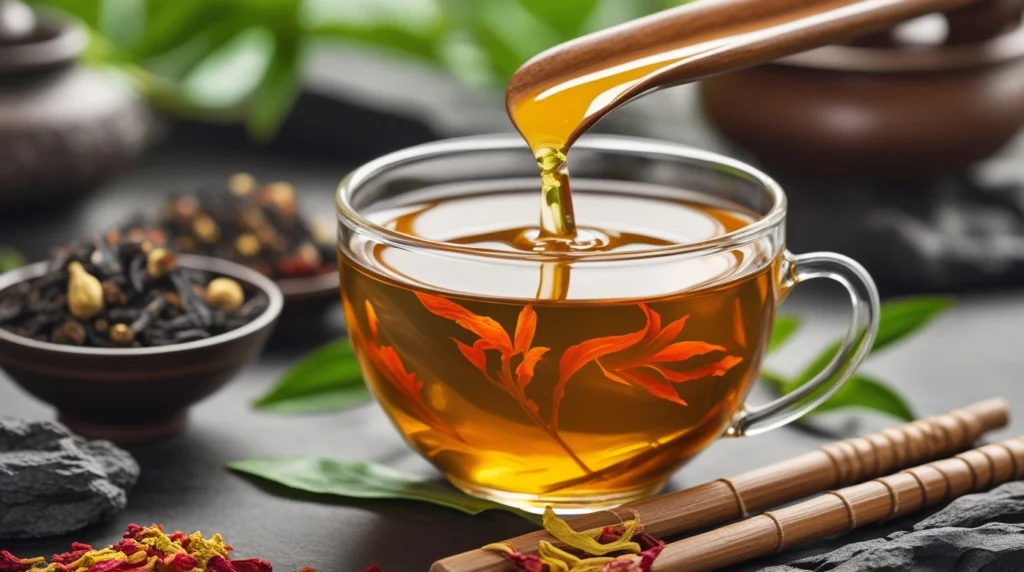
Wudang Mountains Tai Chi Daoist Green Tea: what is it?
Music, martial arts, ritual practices, herbal medicine, and many other aspects of religious arts and crafts are all part of Wudang culture, which is based on Taoist philosophy. As the World of Swordsmanship and the Immortals’ Mountain of Taoism, Mount Wudang has a stellar reputation. It is a well-known Chinese Taoist temple with deep cultural roots in Taoism and a lengthy history of Taoist practice. Its wushu (martial arts) heritage is likewise famously long-standing.
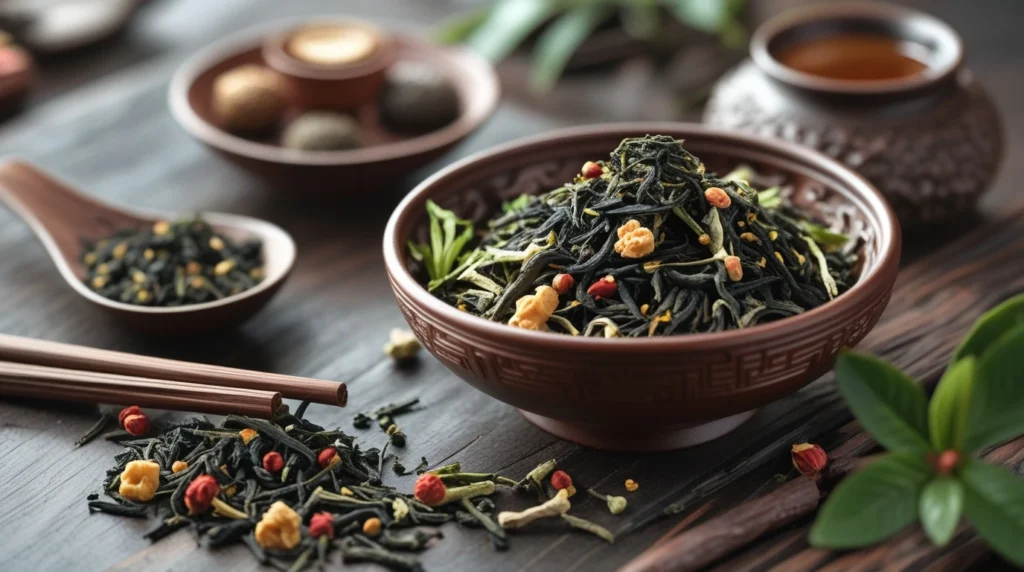
The green tea leaves are picked during the first flush of spring, then rolled and pan-fried till they take on their distinctive needle-like dry form. When brewed, this tea produces a lovely light green liquor with nutty notes. The leaves of dark green tea resemble pine needles in appearance and smell like baked rice; they also have a white fuzzy look.
The fine, downy buds used to make our Wudang tea are hand-picked. The steeped tea has a silky smoothness and a hazy, pale green color. An aroma of fragrant flowers reminiscent of litchi permeates the silky, hazy liquid. This vibrant cup’s subtle astringency, uniqueness, and aromatic complexity come to light in the mouth. The toasted hazelnuts and straw are accompanied by herbaceous and flowery undertones, culminating in a minty, fresh aftertaste.
The Reasons Why Wudang Daoist Herbal Tea Premium Is Excellent?
- The best buds, with the clearest Qi, are harvested early in the spring.
- Greater altitude and better leaf quality than regular Wudang Daoist Tea
- Perfect for the inside practice of Daoism, Qigong, and Neigong
- Very mild, without any harshness, floral-mineral sweetness
- A tea that promotes tranquility, empathy, and inner peace
Refined Brewing with the Gongfu Method: A Step-by-Step Guide
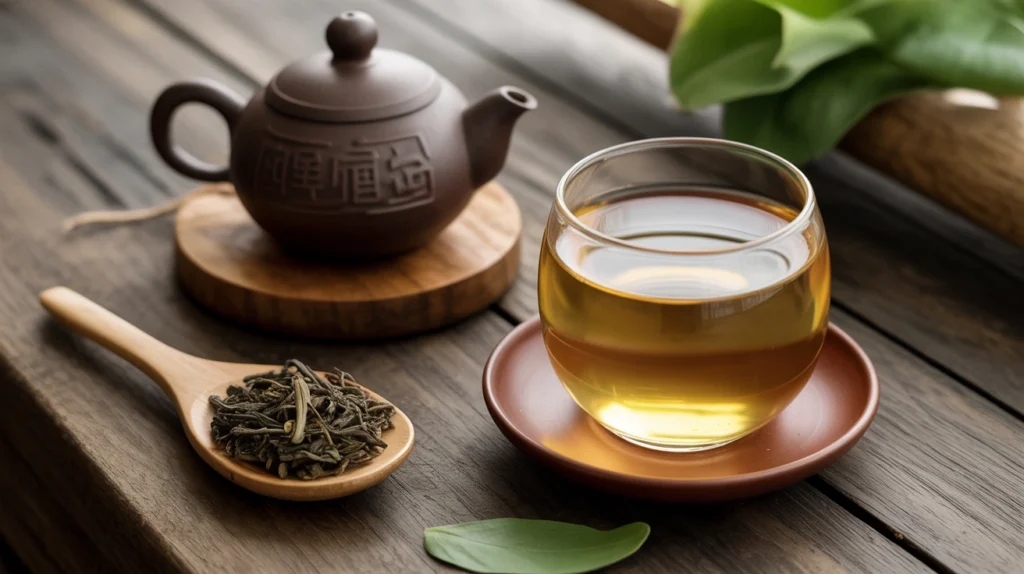
- To begin, you will need about 4 to 5 grams of tea leaves. With this amount, the leaves can unfold slowly over several infusions, allowing the flavor to be extracted to its fullest. Optimal water temperature ranges from 75 to 80 degrees Celsius. The delicate flavors of the tea are preserved without scorching the leaves within this temperature range.
- Tear infuser for first infusion: 25 to 30 seconds. It is during this first brief infusion that the tea leaves are stimulated and the first scents and flavors are released.
- The steeping duration should be increased to 35 to 40 seconds for the second infusion. The flavors can be extracted more deeply from the leaves since the infusion lasts longer, allowing them to unfold more.
- Steep for 45-50 seconds for the third infusion. The leaves have opened out completely at this stage, and the infusion enhances the tea’s diverse tastes even further.
Performing processing of Premium Organic Wudang Mountains Tai Chi Daoist Green Tea
Small seasonal batches of premium Wudang tea are made utilizing enhanced processes to ensure optimum clarity:
- Picking Just the First Buds with One Leaf Before They Open
- Indoor withering is kept brief in order to maintain essential oils and aroma.
- To prevent oxidation, shaqing is hand-fired in a wok.
- Rolling entails meticulously shaping to maintain structure.
- Retaining the scent and energy lightness while drying requires a modest, gradual finish.
- A tea with purified energy, perfect for quiet concentration and self-improvement, is the result of this method.
Positive Effects of Health Benefits of Herbal Tea
The health benefits are also enhanced. Here’s a more in-depth look at the health benefits linked to premium teas typically made in this manner:
Packed with essential minerals, catechins, and L-theanine
L-theanine, an amino acid that promotes relaxation without drowsiness, is prevalent in Gongfu-style teas, especially white and green teas. This substance complements catechins, which are powerful antioxidants that fight against free radicals and promote immune system wellness. In addition, the potassium, magnesium, and zinc found in entire tea leaves aid in cellular activity and hydration as a whole.
Fosters Gentle Awareness and Relaxed Concentration
Relaxed concentration is the unique effect produced by combining moderate caffeine with L-theanine. Though it is not a caffeine free herbal tea; it provides a milder, more long-lasting alertness than coffee’s acute energy boost. Because of this, Gongfu-brewed tea is perfect for things like meditation, studying, or creative work that demand focus and concentration.
Aids in Digestive Health and Qi Regulation
The curative effects of tea on the digestive fire and Qi balance make it a prized herb in TCM. In particular, warming the digestive system, helping metabolism, and encouraging internal balance after meals can be achieved with fewer, concentrated portions of gingko teas.
A Time-Honored Method of Preparing the Body for Internal Massage
It is common practice to consume tea before engaging in sitting meditation, qigong, or tai chi. The reason behind this is that tea has gentle detoxifying effects that aid in system cleansing while also fostering inner calm and energy circulation. As a ritual, drinking Gongfu tea helps one become more aware of their surroundings and sets the tone for contemplation.
Understanding the Cultural Significance
Martial artists, hermits, and Daoist monks—those whose lives are devoted to physical and spiritual perfection and to harmonizing with the Dao (the natural Way)—have long been linked with Wudang tea. In their quest for inner peace and enlightenment, these practitioners find that tea is a subtle but potent ally.
- The contemplative martial art of Tai Chi places an emphasis on the smooth flow of Qi and slow, deliberate motions. If you want to get more in tune with your body and strengthen your inner connection, try drinking some Wudang tea before or after your practice.
- Daoist practice revolves around meditation, which can be done in any position: sitting, standing, or walking. When you drink Wudang tea, you can calm your mind, which makes it easier to get into profound meditation.
- Qi Shifting and Internal Organ Detoxification: Qi, or vital life energy, must flow freely throughout the body in order to maintain health and vigor, according to ancient Daoist cosmology and medicine. Problems with harmony and health might result from obstructions or stagnation.
Conclusion
Wudang Herbal Tea is more than a drink—it’s a centuries-old ritual wrapped in fragrance, flavor, and spiritual depth. Born in the mists of the Wudang Mountains, this tea embodies the harmony of nature and internal cultivation. Every sip offers a journey inward, calming the mind, purifying the body, and attuning you to the subtle rhythms of Qi. Whether you’re practicing Tai Chi, meditating, or simply seeking peace in a chaotic world, Wudang tea is your perfect companion—refined, grounding, and deeply nourishing.
About The Author