


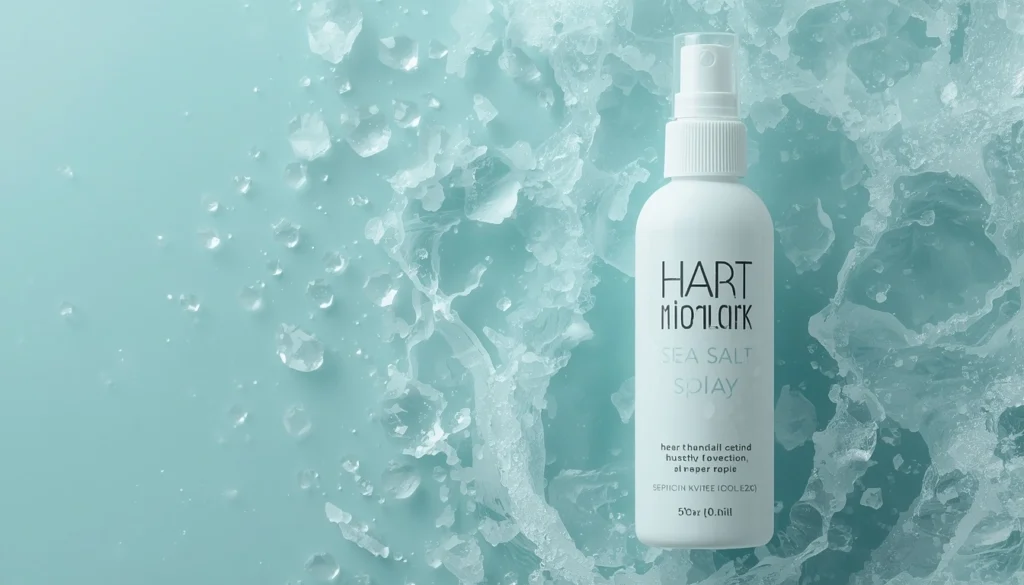
Sea salt spray has become a popular hair-styling product for creating effortless, textured hairstyles without the heavy or greasy feel of traditional gels and waxes. Inspired by the natural texture hair often develops after a day at the beach, sea salt spray can add volume, grip, definition, and a slightly tousled finish.
Whether you have straight, wavy, or curly hair, the right sea salt spray can help you achieve a more relaxed and natural-looking hairstyle. However, using too much can leave hair feeling dry or stiff, so understanding how and when to use it is important.
What Is Sea Salt Spray?
Sea salt spray is a water-based hair styling product that usually contains salt along with other ingredients designed to improve texture and hold. It is formulated to recreate the rougher, more textured appearance associated with ocean air and saltwater.
The salt helps reduce the smooth, slippery feeling of freshly washed hair, giving individual strands more grip. This makes the hair easier to shape and can create separation between strands. Depending on the formula, sea salt sprays may also contain ingredients such as aloe vera, glycerin, oils, conditioning agents, or other styling ingredients to balance the drying effect of salt.
Unlike strong-hold gels or hairsprays, sea salt spray generally focuses more on texture, movement, and volume than rigid hold. It is particularly useful when you want a casual, slightly messy, beach-inspired hairstyle.
Benefits of Sea Salt Spray for Hair
One of the biggest advantages of sea salt spray is its ability to add texture and volume. Fine or flat hair can sometimes appear fuller after using a small amount because the product gives the strands additional grip and separation.
Sea salt spray can also enhance naturally wavy hair. Applying it to damp hair and gently scrunching the lengths can encourage existing waves to become more visible. For straight hair, it can provide enough texture to create loose waves or a deliberately tousled appearance.
Another benefit is improved styling control. Hair that is extremely soft or freshly washed can sometimes be difficult to style because it lacks grip. Sea salt spray adds some friction, making it easier to create hairstyles such as messy crops, loose waves, braids, buns, and other textured looks.
It can also be useful for refreshing second-day hair. A few light sprays on selected sections can bring back movement and texture without requiring a complete restyling routine.
However, the benefits are primarily cosmetic. Salt can also contribute to dryness, particularly when the product is overused or applied to hair that is already dry or damaged.
How to Use Sea Salt Spray
For most hairstyles, sea salt spray works well on damp, towel-dried hair. Start by shaking the bottle if the product instructions recommend it. Then spray a small amount through the mid-lengths and ends.
Avoid immediately saturating your hair. It is easier to add more product later than to correct hair that has become excessively stiff or dry.
After applying the spray, use your fingers to scrunch or twist sections of your hair. If you want loose beach waves, gently scrunch the hair upward while it dries. You can let it air-dry for a natural finish or use a diffuser on a low setting if you want additional volume.
For straight hair, twisting small sections while the hair dries can help create more visible waves. For naturally wavy or curly hair, scrunching can help emphasize the existing pattern.
Sea salt spray can also be applied to dry hair when you want to refresh texture. In this case, use less product because there is no moisture to dilute the spray. Applying a small amount to selected areas can add separation and revive a hairstyle during the day.
Is Sea Salt Spray Good for Every Hair Type?
Sea salt spray can work across different hair types, but the result depends on the hair’s natural texture and condition.
- Straight hair: It can add grip, body, and a tousled appearance. If your hair is very fine, start with a small amount to avoid making it feel stiff.
- Wavy hair: Sea salt spray can enhance existing waves and make them look more defined and textured. Scrunching after application is often enough to create a casual finish.
- Curly hair: A lightweight formula can provide additional texture and definition, although people with very dry curls should be particularly careful because excessive salt can increase dryness.
- Fine hair: The added texture can make fine hair appear fuller and give it more styling grip.
- Thick or coarse hair: Sea salt spray can create strong texture, but too much may make coarse hair feel rough. A moisturizing styling product may be useful alongside it.
The key is to adjust the quantity according to your hair’s thickness, texture, and condition rather than following a fixed number of sprays.
Can Sea Salt Spray Damage Hair?
Sea salt spray isn’t automatically damaging, but excessive use can make hair feel dry, rough, or stiff. Salt creates texture partly by altering the hair’s surface and reducing its smoothness, which is useful for styling but can become undesirable when overdone.
If your hair is already dry, bleached, chemically treated, or damaged, consider using a moisturizing conditioner or leave-in product alongside your styling routine. You should also avoid continuously adding more spray throughout the day without considering how your hair feels.
Using a professionally formulated product can be preferable to making concentrated salt water at home because commercial formulas can include conditioning and styling ingredients designed to balance the effects of salt.
Sea Salt Spray vs. Other Styling Products
Sea salt spray is best suited to people who want texture, movement, volume, and a matte or natural-looking finish.
Hair mousse is generally more focused on volume and body, while gel can provide stronger definition and hold. Wax and pomade are often better choices when you want more controlled styling, shine, or separation.
Sea salt spray sits somewhere between a styling preparation product and a finishing product. It can make hair easier to shape before using another styling product, or it can be used by itself when you want a relaxed, undone hairstyle.
Conclusion
Sea salt spray is a versatile styling product for anyone looking to add texture, volume, grip, and natural-looking movement to their hair. It can enhance waves, create beach-inspired hairstyles, give fine hair more body, and make freshly washed hair easier to style.
The secret to getting good results is moderation. Apply a small amount to damp hair, scrunch or twist it into the desired shape, and allow it to air-dry or use a diffuser. If your hair tends to be dry, balance the styling routine with moisturizing and conditioning products.
Used correctly, sea salt spray can be an easy way to achieve that relaxed, textured hairstyle without making your hair look overly polished or heavily styled.
FAQs
1. What does sea salt spray do?
Sea salt spray adds texture, grip, volume, and movement to hair. It is particularly useful for creating loose waves and messy, beach-inspired hairstyles.
2. Should you use sea salt spray on wet or dry hair?
It can be used on both, but damp, towel-dried hair is generally a good starting point. Dry hair usually requires a smaller amount because the product is more concentrated on the strands.
3. Can sea salt spray make hair wavy?
It can enhance natural waves and help straight hair develop a more textured, tousled appearance. Scrunching or twisting the hair after application can improve the effect.
4. Can you use sea salt spray every day?
Some formulas can be used regularly, but excessive use may leave hair feeling dry or stiff. If you use it frequently, pay attention to your hair’s moisture and condition it regularly.
5. Is sea salt spray good for thin hair?
Yes. It can add texture and grip, making fine or thin-looking hair appear fuller and easier to style. Start with a small amount to prevent the hair from becoming weighed down or stiff.


Shruti Singh is a passionate writer having 6 years of writing and editing experience. Through her articles on news2world, she explores the connection between people, planet, and everyday choices, translating complex information and issues into clear, engaging, and practical insights. Her work aims to inspire readers to adopt eco-friendly habits, think critically, and contribute meaningfully to a more comfortable future.


