Shruti Malhotra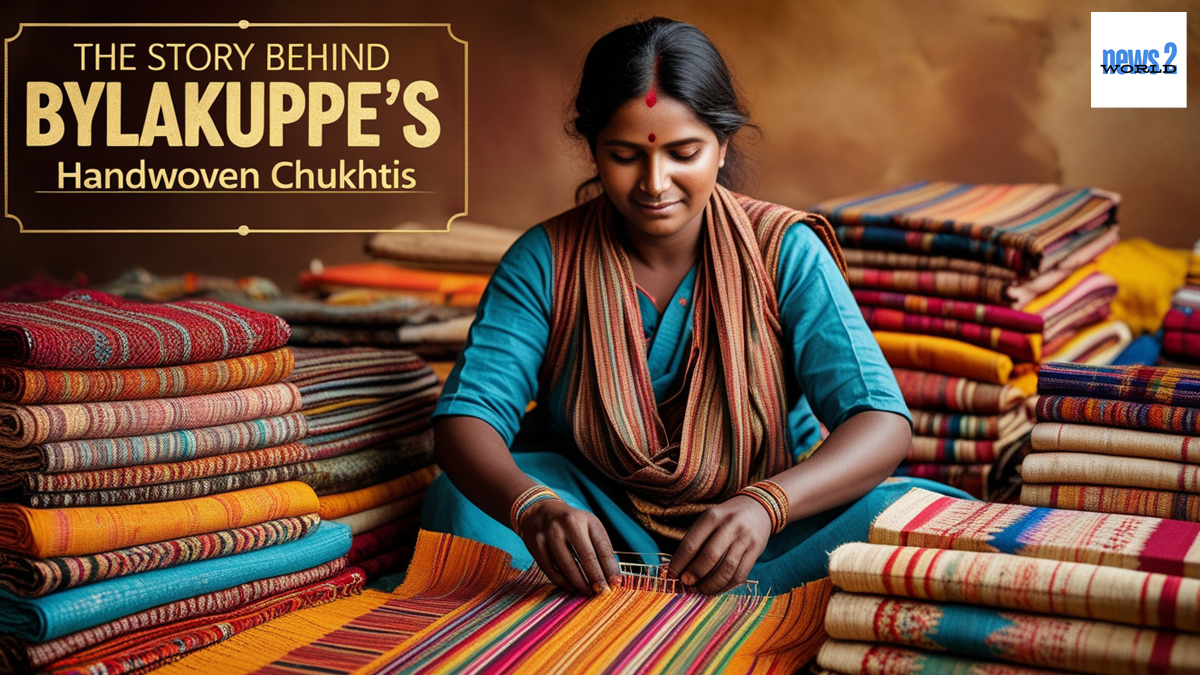
Nestled inside the verdant countryside of Karnataka, India, lies Bylakuppe, one in all the largest Tibetan settlements outside of Tibet. Home to thousands of Tibetan refugees because the Nineteen Sixties, Bylakuppe is not just a cultural refuge—it is a thriving hub of Tibetan traditions, faith, cuisine, and handicrafts. Among its many cultural exports, the handwoven Tibetan chukhti sticks out as a symbol of identification, artistry, and resilience.
These lovely woolen carpets and rugs are more than floor coverings—they may be woven chronicles of Tibetan background, regularly carrying deep symbolic meanings exceeded down through generations. In Bylakuppe, chukhti weaving has been both a method of survival and a cultural revival for displaced Tibetans.
What is a Bylakuppe Chukhti?
A chukhti is a handwoven carpet or rug, typically product of wool, traditionally utilized in Tibetan houses and monasteries. Known for his or her durability, elaborate styles, and bright shades, chukhtis play more than one roles in Tibetan life:
- Prayer mats in monastic rituals
- Decorative pieces in houses
- Seat cushions for meditation
- Offerings or gifts on special activities
The phrase “chukhti” roughly translates to “woolen carpet” in Tibetan, and it encapsulates centuries of expertise that originated inside the Himalayan highlands.
Historical Background: Tibetan Weaving Across Borders
Roots in Tibet
Carpet weaving in Tibet dates back masses of years. The harsh climate necessitated heat woolen objects, which obviously evolved into skillfully woven carpets. Tibetan nomads raised yak and sheep, whose wool supplied the uncooked cloth for this craft.
Historically, Tibetan chukhtis were woven on vertical looms in own family workshops. Patterns have been rarely drawn out beforehand. Instead, weavers observed traditional motifs and oral instructions passed down from elders—each sample sporting unique meanings tied to protection, harmony, prosperity, or spiritual beliefs.
The Diaspora and Cultural Preservation
Following the Chinese annexation of Tibet in 1959, hundreds of Tibetans fled to India. In 1961, under the steerage of the 14th Dalai Lama and support from the Indian government, Bylakuppe become established as a settlement for those refugees. Along with their faith and language, Tibetans added their artisanal abilties—together with chukhti weaving.
Bylakuppe speedy became one of the number one centers for keeping Tibetan carpet weaving in exile. Local monasteries, cooperatives, and households contributed to reviving the craft. Over the many years, weaving evolved from subsistence activity to a livelihood and cultural agency.
What makes Bylakuppe Karnataka worth seeing?
Bylakuppe in Karnataka is a great spot to go if you are interested in learning more about the plight of Tibetan refugees in India.
Many would possibly select an experience to Dharamsala, the seat of the Dalai Lama’s exiled management, as their initial vacation spot. But now that Buddhism is gaining traction within the West, Dharamsala is amongst India’s pinnacle traveller spots. Rather than Buddhist structures, Dharamsala is filled with hostels, banana pancake joints, and memento shops.
Such faith is something that Bylakuppe strives to keep away from. Bylakuppe is open to foreigners during the day, but overnight remains require a special permit. Tourists from different nations nonetheless seldom visit Bylakuppe.
Exploring Bylakuppe, Karnataka: What to Do
Several distinct communities make up Bylakuppe. They stand as symbols of the four main schools of Tibetan Buddhism and surround the main monasteries. You can walk, but the distances are rather huge. To go around to all the monasteries, a tuk tuk is the way to go.
Namdroling Buddhist temple
The Namdroling monastery is one of the most prominent monasteries in Bylakuppe. The first monastery in Bylakuppe could be built by the Tibetan exiles who had been granted the land there. Thick jungle was the only thing visible back then.
Currently, the Namdroling monastery serves as the primary educational center for the Nyingma school of Tibetan Buddhism. It is sometimes considered the first school of Tibetan Buddhism due to its roots in the first Tibetan translations of Sanskrit Buddhist scriptures.
The Namdroling monastery is home to the world-famous Golden Temple, which is open to the public. The monastic complex includes a hospital, colleges, and schools. The Namdroling monastery is home to around 5,000 people.
The monastery of Tashi Lunpo
Located in Bylakuppe, the Tashi Lunpo monastery is one of the most recent monasteries. The name is derived from the Tashi Lunpo monastery in Shigatse, Tibet, which dates back to the 15th century. The first Dalai Lama constructed this monastery, which served as the residence of the panchen lamas. Numerous monks sought refuge in India following the 1959 Chinese invasion. The Bylakuppe monastery was reopened in 1972.
Sera Monastery
Located in Lhasa, the Sera monastery served as a renowned monastic university. The monastery was damaged during the 1959 Lhasa uprisings. The remaining monks escaped to India after many of their fellow believers were slain. They built a new Sera monastery at Bylakuppe after settling there.
Among Tibet’s notable educational institutions was Sera monastery. The Sera Jey and Sera Mey universities are also located in Bylakuppe. The Gyelug school includes this monastery. The newest school, which is well-known for teaching debate skills, is also called the yellow hat school.
Sakya monastery
A renowned library with ancient Buddhist scriptures was found in the original Sakya monastery in Tibet. Along with this monastery, the monks departed in 1959. DehraDun once again became home to the Sakya monastery. In Bylakuppe, there is a little sister monastery as well.
Bylakuppe: A Living Weaving Tradition
Today, Bylakuppe is split into Lugsum Samdupling and Dickyi Larsoe settlements, web hosting monasteries like Sera Jey, Sera Mey, and Tashi Lhunpo. Weaving facilities, frequently run by way of girls’s cooperatives or monastic groups, preserve to provide chukhtis via hand.
These centers play essential roles:
- Employment: Especially for women and aged artisans.
- Cultural maintenance: Teaching more youthful generations conventional competencies.
- Local financial system: Many rugs are bought to visitors or exported globally.
When is the best time to visit Bylakuppe, Karnataka?
The months of September through March are ideal for a visit to Bylakuppe due to the mild weather. Karnataka experiences its hottest months of April and May, followed by the beginning of the monsoon season in June, which brings more frequent rainfall.
Another option is to go during a Tibetan event, such the Tibetan new year, Lhosar. The precise dates fluctuate annually, although they usually fall in the months of February and March.
Bylakuppe, Karnataka – temple manners
- The monks who live at Bylakuppe see it as a sacred site because of its religious significance.
- When visiting a temple, it is respectful to dress modestly and remove your shoes before entering.
- Use your right hand to spin the prayer wheels in a clockwise motion.
- Bylakuppe is a place where you won’t find any meat or alcohol.
- Always get someone’s consent before taking their picture, and be considerate if they say no.
- Touching the monks in any way, including by shaking hands, is strictly forbidden.
Ways for reaching Bylakuppe, Karnataka
Bylakuppe is only around two hours away from Mysore, therefore it is possible to visit it as a day trip. The frequent KSRTC buses depart from Mysore and stop conveniently at Kushalnagar.
The village of Bylakuppe is about 6 kilometers away from Kushalnagar. You will be dropped off by the bus on the main road of Kushalnagar. Getting to Bylakuppe, commonly known as Lama Camp, in a shared tuk tuk is a breeze.
From Bangalore: Bylakuppe is approximately four or five hours away from Bangalore, making it a feasible weekend getaway. You may reach Kushalnagar from Bangalore by catching one of the several KSRTC buses that run frequently.
Conclusion
Bylakuppe isn’t just a place—it’s a cultural heartbeat. From the rhythmic chants echoing in its monasteries to the steady hands weaving history into vibrant Tibetan chukhtis, every thread tells a story of survival, devotion, and identity.
Visiting Bylakuppe means stepping into a living museum where spirituality and craftsmanship intertwine. Whether you’re an art enthusiast, a mindful traveler, or a seeker of stories untold, Bylakuppe offers something rare: authenticity untouched by mass tourism.
About The Author